Bahrain F1 Gulf Sports Daily

Bahrain's New Era Begins: The Gulf Hosts F1's Biggest Reset in a Decade

The new power units, running on 100 per cent sustainable fuel with nearly half their output coming from electric motors, produced a distinctive whine on the straights that was audibly alien to anyone who has spent time trackside in Sakhir over the past decade. The ground effect era is over. Active aerodynamics are here. And the Gulf is where the world got its first proper look at what comes next.


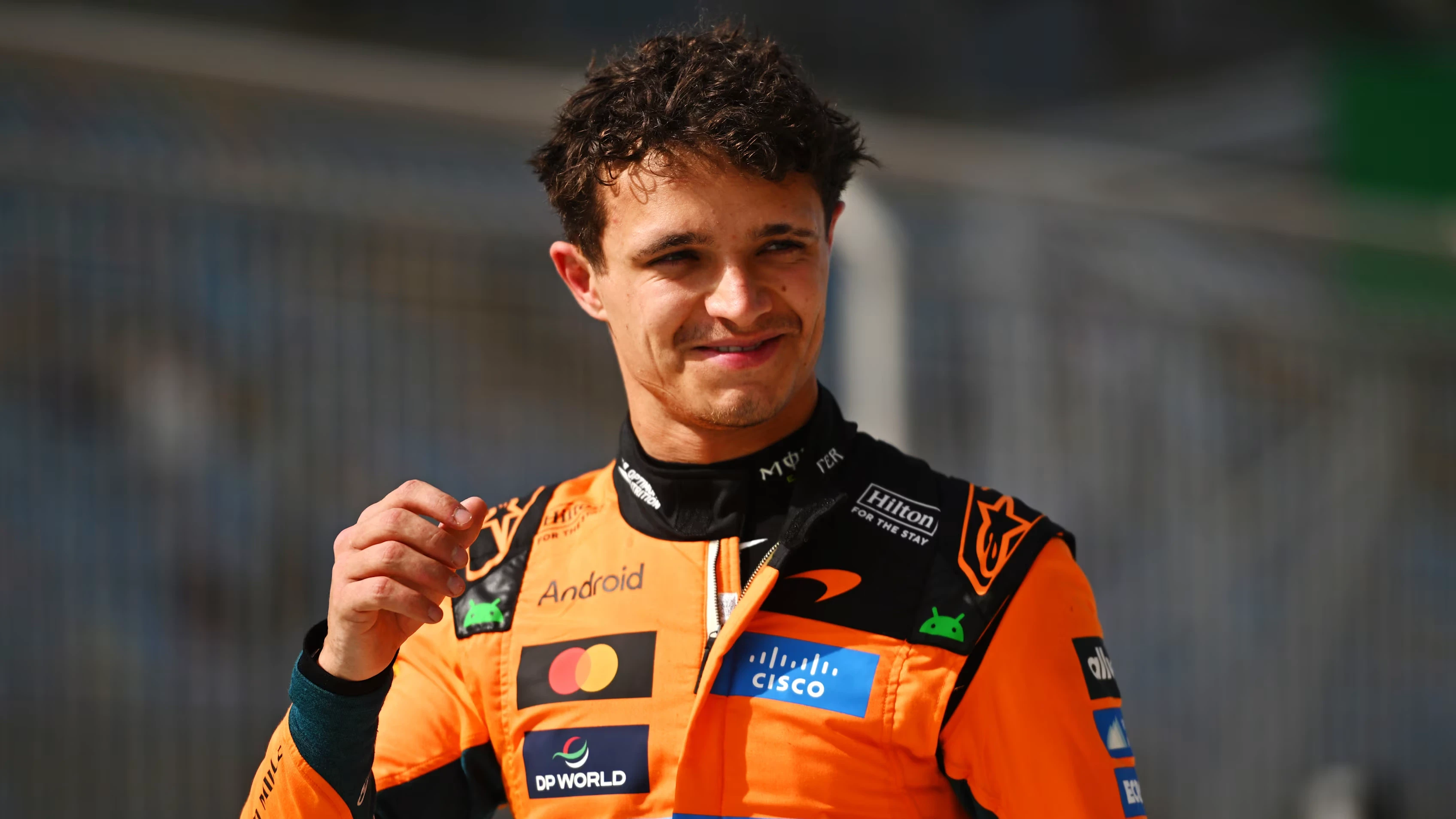
Reigning champion Lando Norris topped the timesheets with a 1:34.669, edging Max Verstappen by a tenth and a half, with Charles Leclerc third for Ferrari. But the headline numbers from day one of pre-season testing told only part of the story. Verstappen completed a remarkable 136 laps in the Red Bull, the car powered by a brand new engine built entirely in house with partner Ford. Williams team principal James Vowles admitted his team was seeing Red Bull gain six tenths on the main straight alone. That kind of deficit, this early, gets people's attention.


The expanded grid added to the sense of occasion. Eleven teams took to the track together for the first time, with Cadillac's Sergio Perez and Valtteri Bottas completing a steady debut. Audi arrived with dramatic new sidepods that drew every camera in the paddock. Williams, having missed the entire Barcelona shakedown, finally got their FW48 on track as Carlos Sainz and Alex Albon combined for the highest lap count of any team. Two red flags interrupted proceedings, one for Franco Colapinto's stricken Alpine and another for a brief Nico Hulkenberg stoppage in the Audi, but neither kept the cars off track for long.


There is something fitting about Bahrain hosting this moment. The kingdom has been part of the F1 calendar since 2004, making it the longest standing venue in the Middle East, and its relationship with the sport has deepened steadily in the years since. Aramco's title sponsorship of both pre-season tests is the most visible thread, but the infrastructure investment at Sakhir runs deeper. Six days of official testing across two weeks, all of it under Gulf sunshine and high twenties temperatures, gives teams the controlled conditions they need to make sense of machinery that nobody fully understands yet.


And Bahrain is just the beginning of the region's 2026 footprint. The Gulf Air Bahrain Grand Prix follows on April 10 to 12, with the STC Saudi Arabian Grand Prix the very next weekend in Jeddah from April 17 to 19. Abu Dhabi closes the season in December. Three of 24 rounds in the GCC, plus all the meaningful pre-season running. The Gulf is not simply hosting Formula 1 anymore. It is hosting the parts that matter most: the preparation, the early season form battles that set the narrative, and the championship decider.


Lewis Hamilton, beginning his second year at Ferrari with a temporary race engineer after Riccardo Adami was moved to another role, described the new cars as feeling like GP2 machinery due to the reduced downforce. That is a telling observation from a seven time champion, and one that suggests the learning curve ahead is steep for everyone. The battery management alone, with drivers constantly balancing energy recovery and deployment through something the sport is calling recharge mode, adds a layer of strategic complexity that did not exist 12 months ago.


Two more days of testing remain this week before the teams return for another three day stint from February 18 to 20. Then it is two weeks until the season opener in Melbourne. The pecking order will shift and shuffle repeatedly before then. But the first impressions have been formed, the data is flowing, and the conversations in the Sakhir paddock have that unmistakable start of term energy. Formula 1's new chapter has begun. It began in the Gulf, as these things increasingly do.

Bahrain F1 Gulf Sports Daily

Bahrain's New Era Begins: The Gulf Hosts F1's Biggest Reset in a Decade

The new power units, running on 100 per cent sustainable fuel with nearly half their output coming from electric motors, produced a distinctive whine on the straights that was audibly alien to anyone who has spent time trackside in Sakhir over the past decade. The ground effect era is over. Active aerodynamics are here. And the Gulf is where the world got its first proper look at what comes next.


Reigning champion Lando Norris topped the timesheets with a 1:34.669, edging Max Verstappen by a tenth and a half, with Charles Leclerc third for Ferrari. But the headline numbers from day one of pre-season testing told only part of the story. Verstappen completed a remarkable 136 laps in the Red Bull, the car powered by a brand new engine built entirely in house with partner Ford. Williams team principal James Vowles admitted his team was seeing Red Bull gain six tenths on the main straight alone. That kind of deficit, this early, gets people's attention.


The expanded grid added to the sense of occasion. Eleven teams took to the track together for the first time, with Cadillac's Sergio Perez and Valtteri Bottas completing a steady debut. Audi arrived with dramatic new sidepods that drew every camera in the paddock. Williams, having missed the entire Barcelona shakedown, finally got their FW48 on track as Carlos Sainz and Alex Albon combined for the highest lap count of any team. Two red flags interrupted proceedings, one for Franco Colapinto's stricken Alpine and another for a brief Nico Hulkenberg stoppage in the Audi, but neither kept the cars off track for long.


There is something fitting about Bahrain hosting this moment. The kingdom has been part of the F1 calendar since 2004, making it the longest standing venue in the Middle East, and its relationship with the sport has deepened steadily in the years since. Aramco's title sponsorship of both pre-season tests is the most visible thread, but the infrastructure investment at Sakhir runs deeper. Six days of official testing across two weeks, all of it under Gulf sunshine and high twenties temperatures, gives teams the controlled conditions they need to make sense of machinery that nobody fully understands yet.


And Bahrain is just the beginning of the region's 2026 footprint. The Gulf Air Bahrain Grand Prix follows on April 10 to 12, with the STC Saudi Arabian Grand Prix the very next weekend in Jeddah from April 17 to 19. Abu Dhabi closes the season in December. Three of 24 rounds in the GCC, plus all the meaningful pre-season running. The Gulf is not simply hosting Formula 1 anymore. It is hosting the parts that matter most: the preparation, the early season form battles that set the narrative, and the championship decider.


Lewis Hamilton, beginning his second year at Ferrari with a temporary race engineer after Riccardo Adami was moved to another role, described the new cars as feeling like GP2 machinery due to the reduced downforce. That is a telling observation from a seven time champion, and one that suggests the learning curve ahead is steep for everyone. The battery management alone, with drivers constantly balancing energy recovery and deployment through something the sport is calling recharge mode, adds a layer of strategic complexity that did not exist 12 months ago.


Two more days of testing remain this week before the teams return for another three day stint from February 18 to 20. Then it is two weeks until the season opener in Melbourne. The pecking order will shift and shuffle repeatedly before then. But the first impressions have been formed, the data is flowing, and the conversations in the Sakhir paddock have that unmistakable start of term energy. Formula 1's new chapter has begun. It began in the Gulf, as these things increasingly do.

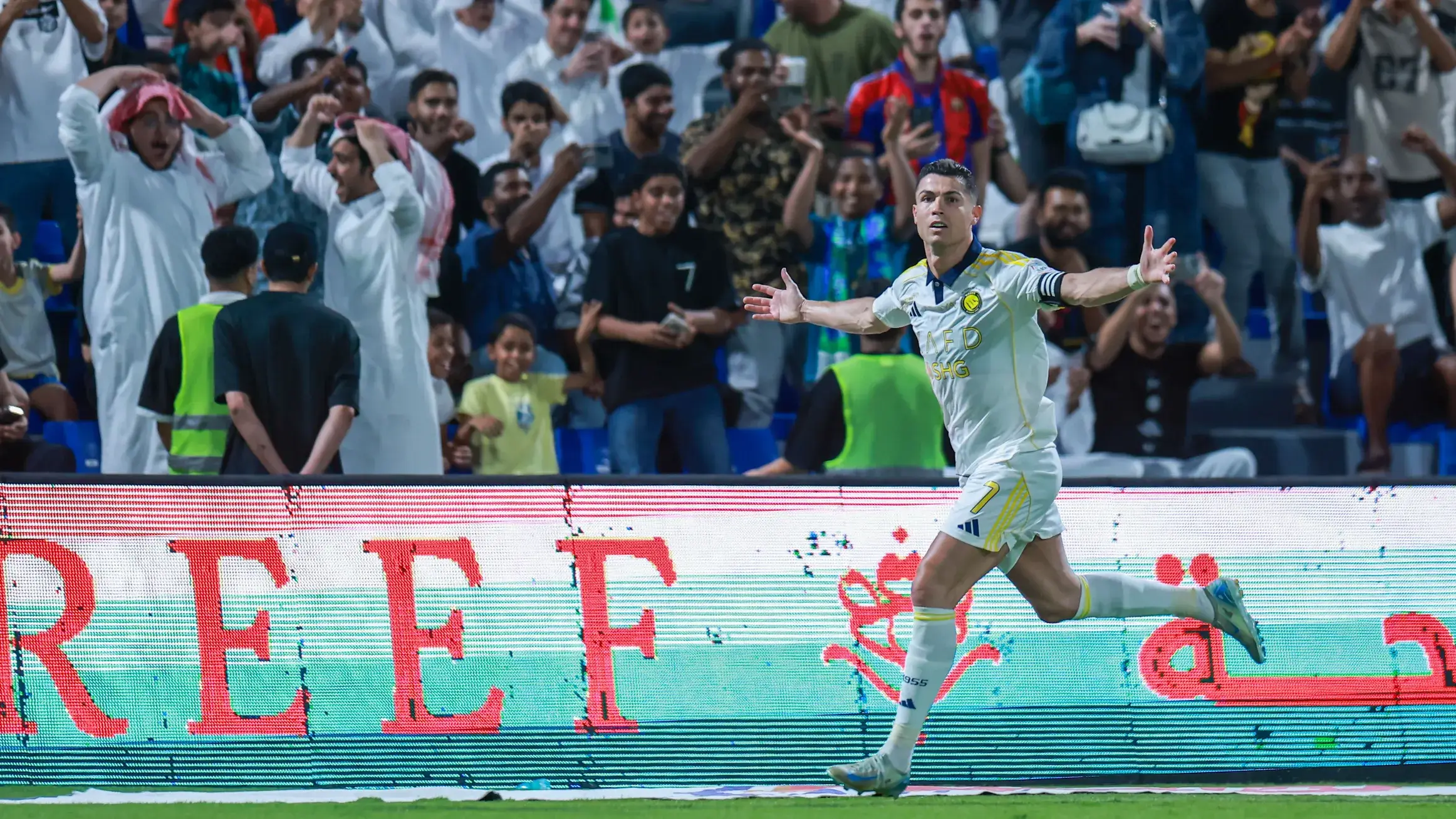
Ronaldo Returns, Ronaldo Scores. Title Race Back On?

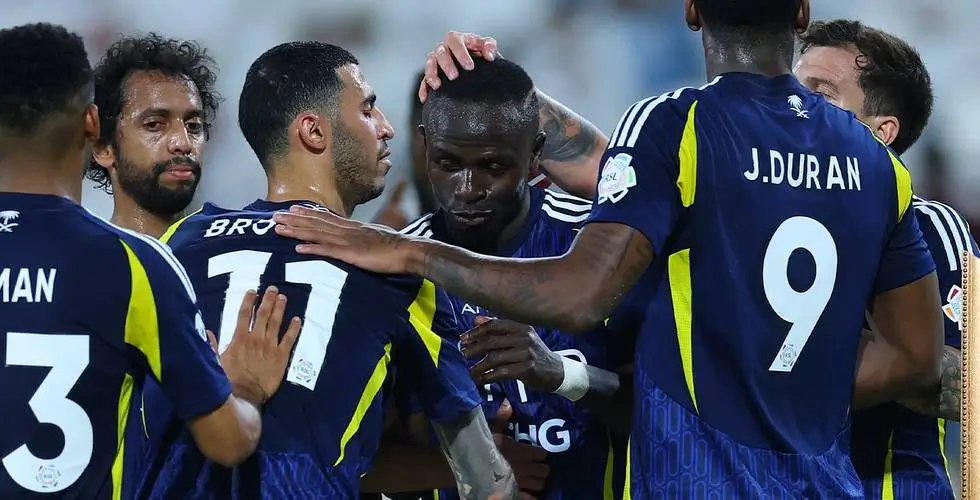
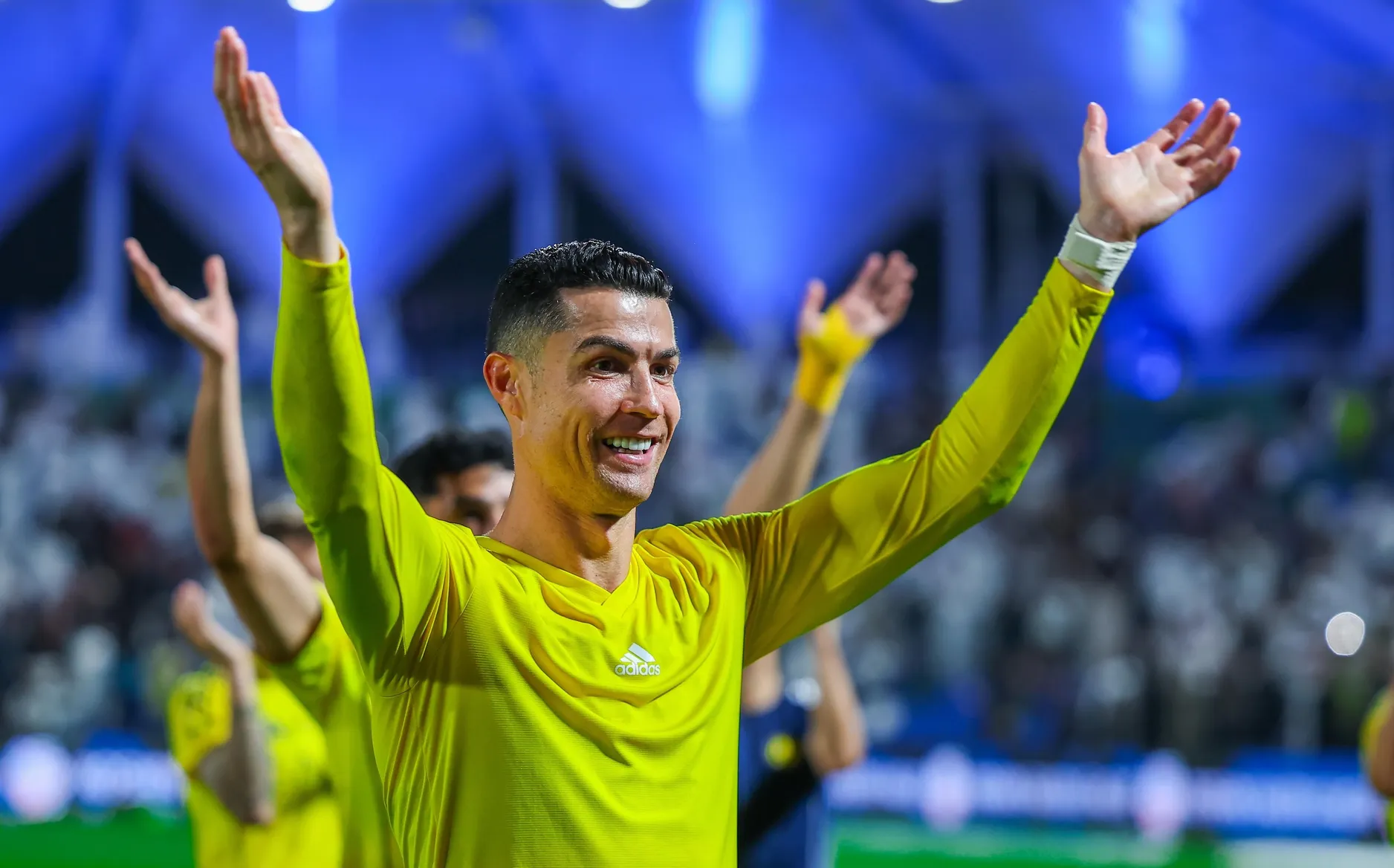
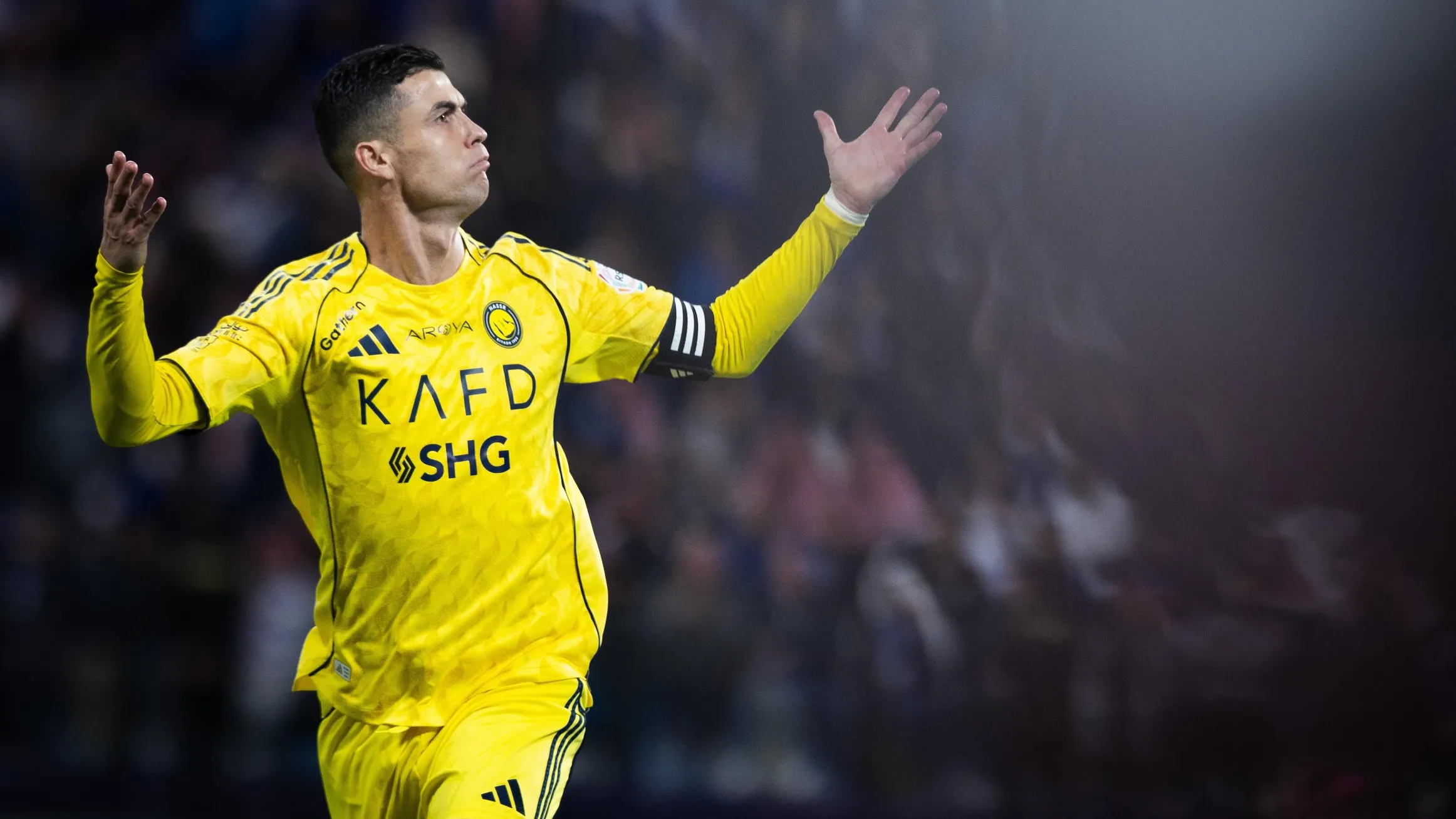
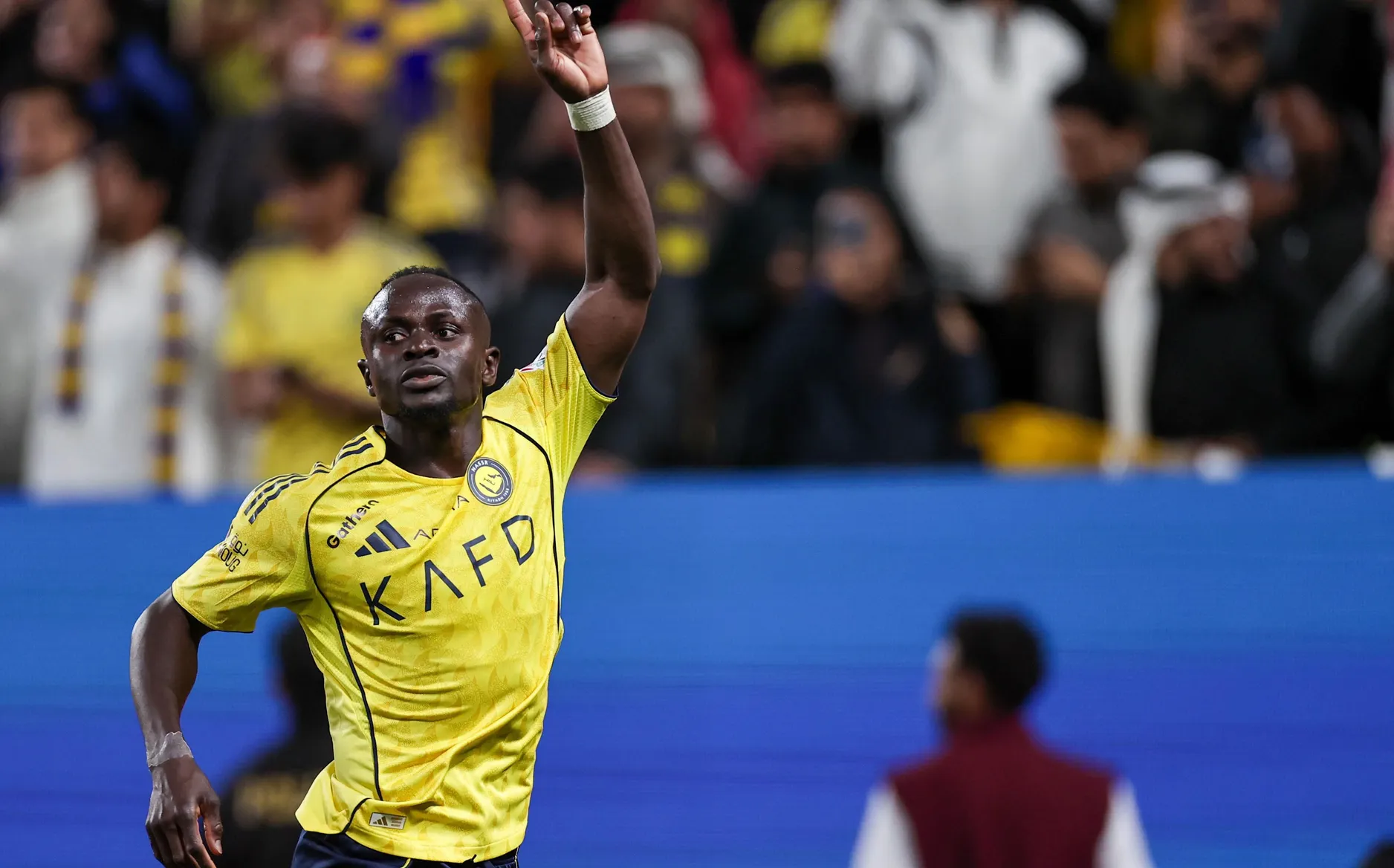
A volleyed finish, Sadio Mane cross, right foot, net bulging before the goalkeeper had processed the movement. The stadium in Al Hofuf exhaled. Al Nassr won 2-0. The title race is back on.

Ayman Yahya sealed the result late in the second half, controlling a Kingsley Coman delivery and firing a rocket into the top corner that deserved a better audience than a half empty away ground on a Friday evening. A Mohamed Simakan header was chalked off by VAR for a foul in the buildup, which would have made the scoreline more emphatic, but two goals and a clean sheet were more than sufficient for the purposes of the evening. Al Nassr moved to within a single point of league leaders Al Hilal with 16 rounds remaining.

The boycott itself lasted three matches. Ronaldo missed fixtures against Al Riyadh, Al Ittihad, and Arkadag while the Public Investment Fund addressed a list of grievances that included unpaid player salaries. The salary arrears were settled. Assurances were given regarding reinforcements at the end of the season. Ronaldo, satisfied that his leverage had produced the desired outcome, returned to training and was named in the starting eleven against Al Fateh as though nothing had happened.

The curious thing is that Al Nassr won all three games without him. Joao Felix, Matias Vargas, and the supporting cast stepped up in his absence, suggesting that the squad's dependency on the 41 year old is not quite as absolute as it once was. 

That is both reassuring and awkward. Reassuring because it means the team can function when their talisman is unavailable. Awkward because it raises questions about the nature of the boycott itself. If the team keeps winning without you, the argument that your absence damages the club becomes harder to sustain.

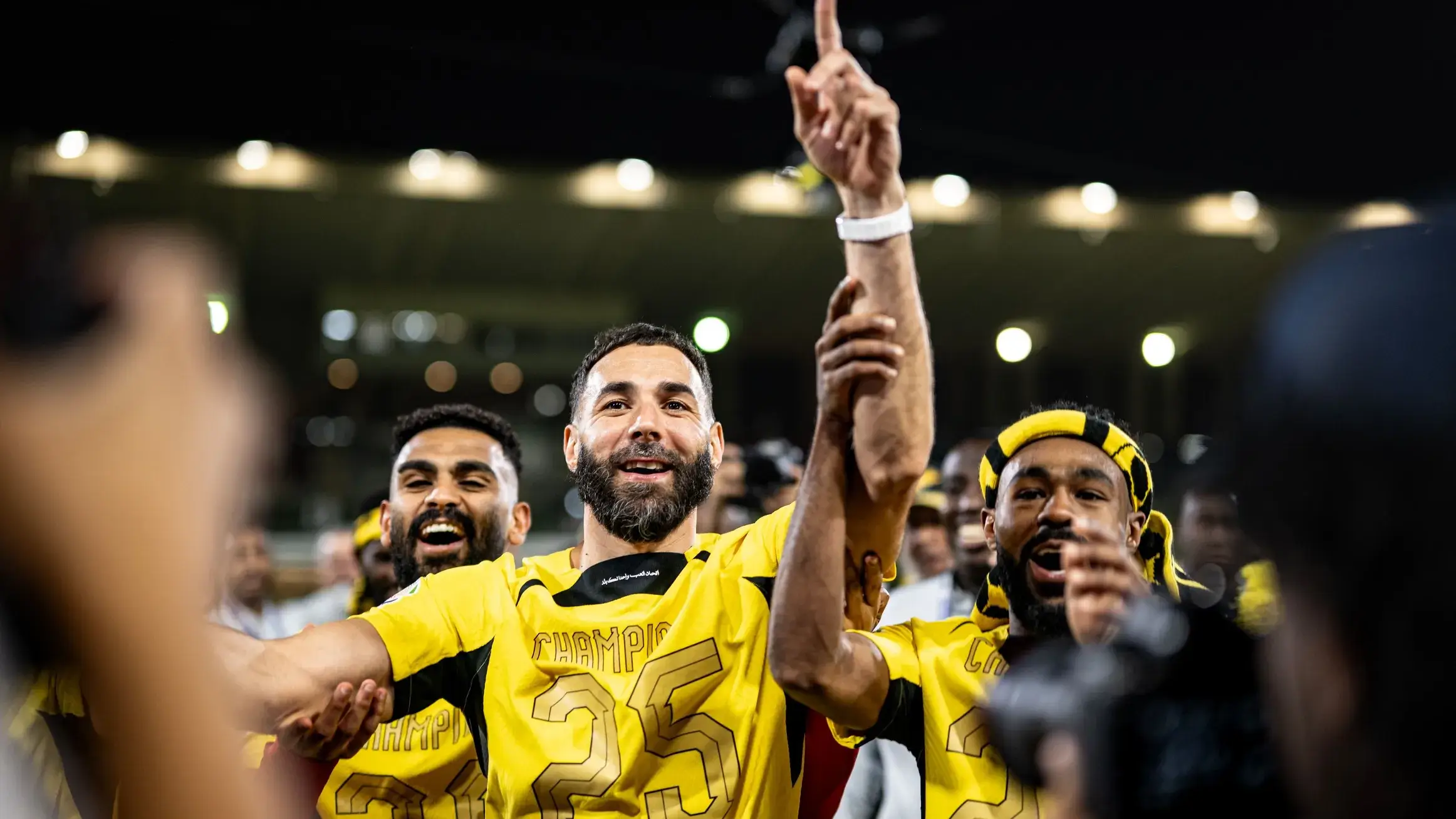
None of that matters now. Ronaldo is back, he is scoring, and Al Nassr's eight match winning run has them breathing directly down Al Hilal's neck. The league leaders, who integrated Karim Benzema from Al Ittihad during the January window and face a congested schedule across both the SPL and the AFC Champions League Elite, will be acutely aware that any slip invites Al Nassr to pounce. 

The upcoming fixture list includes Al Hilal against Al Ittihad on February 19, a match that could reshape the table entirely.

The power dynamics within Al Nassr have undeniably shifted. Ronaldo demonstrated, publicly and without subtlety, that his influence extends beyond the pitch and into the boardroom. Whether that precedent is healthy for the Saudi Pro League's governance model is a question the PIF will need to address eventually. Star players making demands is nothing new in football. Star players making demands, having them met within a fortnight, and returning to score on their first game back is something else entirely.

Seventeen goals in the league this season. Top scorer by a distance. One point off the summit. Whatever you think of the method, the result is difficult to argue with. Ronaldo came, he sulked, he conquered. Business as usual in the SPL.

Feb 16, 2026

3 min read

Cristiano Ronalo Returns Gulf Sports Daily

Ronaldo Returns, Ronaldo Scores. Title Race Back On?

A volleyed finish, Sadio Mane cross, right foot, net bulging before the goalkeeper had processed the movement. The stadium in Al Hofuf exhaled. Al Nassr won 2-0. The title race is back on.

Ayman Yahya sealed the result late in the second half, controlling a Kingsley Coman delivery and firing a rocket into the top corner that deserved a better audience than a half empty away ground on a Friday evening. A Mohamed Simakan header was chalked off by VAR for a foul in the buildup, which would have made the scoreline more emphatic, but two goals and a clean sheet were more than sufficient for the purposes of the evening. Al Nassr moved to within a single point of league leaders Al Hilal with 16 rounds remaining.

The boycott itself lasted three matches. Ronaldo missed fixtures against Al Riyadh, Al Ittihad, and Arkadag while the Public Investment Fund addressed a list of grievances that included unpaid player salaries. The salary arrears were settled. Assurances were given regarding reinforcements at the end of the season. Ronaldo, satisfied that his leverage had produced the desired outcome, returned to training and was named in the starting eleven against Al Fateh as though nothing had happened.

The curious thing is that Al Nassr won all three games without him. Joao Felix, Matias Vargas, and the supporting cast stepped up in his absence, suggesting that the squad's dependency on the 41 year old is not quite as absolute as it once was. 

That is both reassuring and awkward. Reassuring because it means the team can function when their talisman is unavailable. Awkward because it raises questions about the nature of the boycott itself. If the team keeps winning without you, the argument that your absence damages the club becomes harder to sustain.

None of that matters now. Ronaldo is back, he is scoring, and Al Nassr's eight match winning run has them breathing directly down Al Hilal's neck. The league leaders, who integrated Karim Benzema from Al Ittihad during the January window and face a congested schedule across both the SPL and the AFC Champions League Elite, will be acutely aware that any slip invites Al Nassr to pounce. 

The upcoming fixture list includes Al Hilal against Al Ittihad on February 19, a match that could reshape the table entirely.

The power dynamics within Al Nassr have undeniably shifted. Ronaldo demonstrated, publicly and without subtlety, that his influence extends beyond the pitch and into the boardroom. Whether that precedent is healthy for the Saudi Pro League's governance model is a question the PIF will need to address eventually. Star players making demands is nothing new in football. Star players making demands, having them met within a fortnight, and returning to score on their first game back is something else entirely.

Seventeen goals in the league this season. Top scorer by a distance. One point off the summit. Whatever you think of the method, the result is difficult to argue with. Ronaldo came, he sulked, he conquered. Business as usual in the SPL.

Cristiano Ronalo Returns Gulf Sports Daily

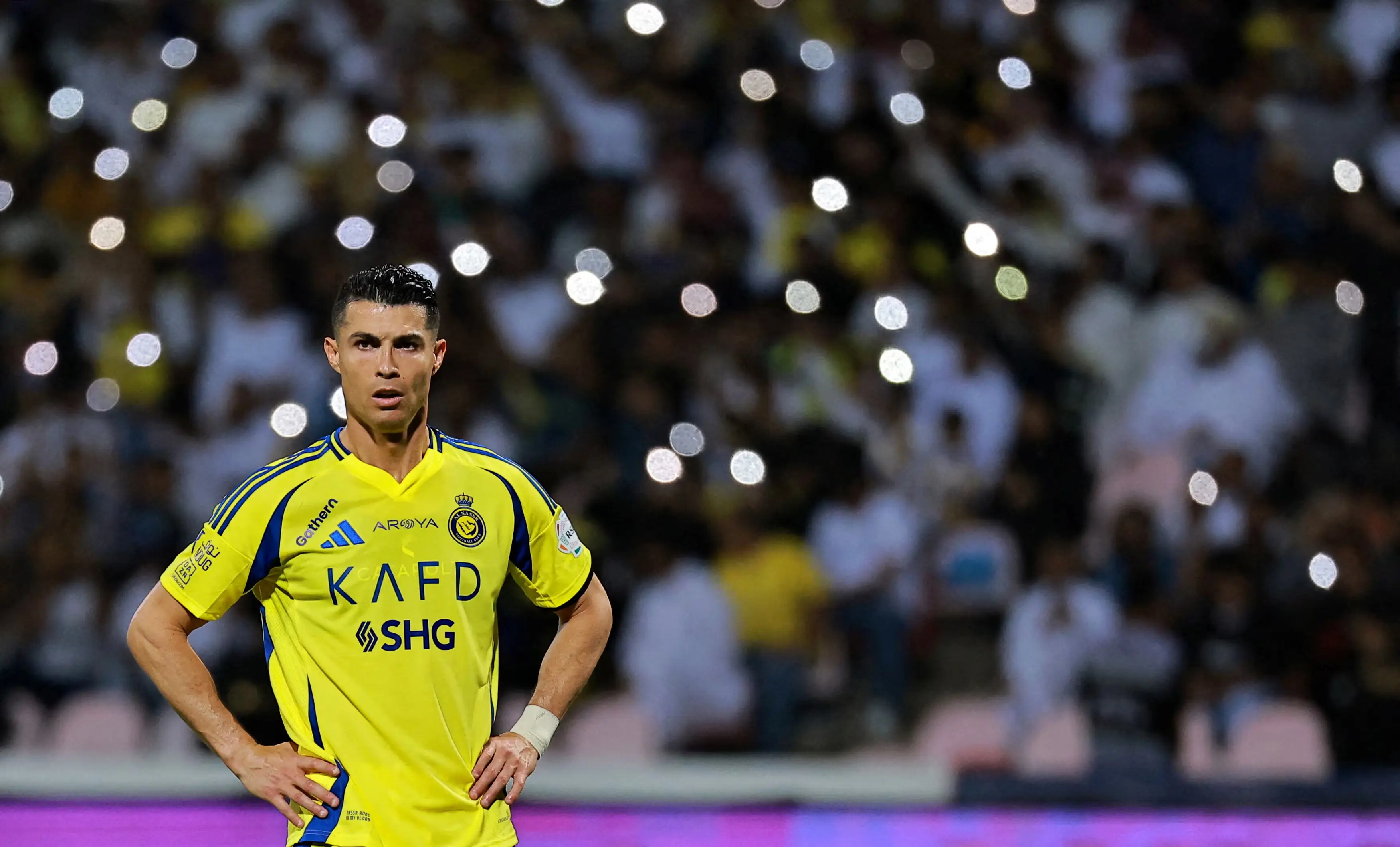
Ronaldo Ends His Boycott: What He Won, What It Means for the SPL Title Race

It was about leverage. And according to multiple reports, he got exactly what he wanted.

ESPN Brasil confirmed on Sunday that Ronaldo has ended his standoff with the Saudi Public Investment Fund and will return to action when Al Nassr travel to Al Fateh on Saturday. 


The 41 year old sat out victories over Al Riyadh and Al Ittihad, both of which his side won without him, and the timing of his return tells you everything about how these negotiations played out behind closed doors.


Let us rewind to the beginning of this saga. Ronaldo's frustration had been building for weeks. The January transfer window closed on February 2 with Al Nassr having signed really only one player of note: an 18 year old midfielder. They also brought in Abdullah Al Hamdan on a free transfer from Al Hilal, a move that has since sparked its own controversy with both Al Hilal and Al Ittihad filing complaints about the legality of his registration. 


Meanwhile, across town, Al Hilal were welcoming Karim Benzema from Al Ittihad, a blockbuster signing funded by Prince Alwaleed Bin Talal Alsaud's private investment in the club.


For Ronaldo, this was the final straw. The Portuguese star had watched his club's sporting director Simao Coutinho and CEO Jose Semedo, both fellow Portuguese and key allies in his Al Nassr project, get suspended from their positions by the PIF. Transfer plans stalled. Salaries went unpaid. And all the while, Al Hilal kept spending.


So Ronaldo did what Ronaldo does. He made himself impossible to ignore.


The league responded first. Without naming names, the Saudi Pro League issued a statement on Thursday that read like a barely veiled warning shot. "The Saudi Pro League is structured around a simple principle: Every club operates independently under the same rules," the statement read. "No player is bigger than the league." It was the kind of institutional posturing that rarely survives contact with a player who generates more social media engagement than most countries.


By Sunday, the PIF had blinked. 


According to reports from ESPN and A Bola, Ronaldo's three core demands were met. Coutinho and Semedo have been reinstated with full authority over transfers and club operations. Outstanding salaries have been paid. And crucially, the PIF has committed to a more aggressive summer transfer window, with Manchester United's Bruno Fernandes among the names reportedly under consideration.


Now, here is where it gets interesting from a sporting perspective. Al Nassr did not just survive Ronaldo's absence. They seemed to thrive. Sadio Mane scored in both matches, Angelo sealed the win over Al Ittihad with a clinical counter attacking finish, and Jorge Jesus' side collected six points that dragged them to within a single point of Al Hilal at the top of the table. The leaders dropped points of their own, and suddenly this title race looks like it will go right down to the wire.


There is an interesting tactical subplot here too. Without Ronaldo's gravitational pull on the ball and on opponents, Al Nassr played with a different kind of fluidity against Al Ittihad. Mane operated as the focal point and looked liberated, drifting between the lines with a freedom he does not always enjoy when sharing the attacking burden with Ronaldo. Angelo's introduction brought pace on the transition that stretched Al Ittihad in ways they had not prepared for.


None of this means Al Nassr are better without Ronaldo. That would be absurd. 


He has 18 goals and three assists in 22 appearances this season, and his influence on the pitch remains enormous. But it does suggest that this squad has more depth and tactical flexibility than the narrative around the boycott might have implied. Jesus has options now, and a fit, motivated Ronaldo returning to a team in form and sitting one point off the summit is a genuinely exciting proposition.


The broader implications for the Saudi Pro League are significant too. Ronaldo has effectively forced the PIF to acknowledge that competitive balance matters, that you cannot funnel resources into one club and expect the others to smile politely. 


Whether that message sticks beyond this particular crisis remains to be seen. The transfer window is shut, and promises about summer spending are easy to make in February.


But for now, the show goes on. Ronaldo returns. Al Nassr sit second. The title race is alive. And somewhere in Riyadh, a 41 year old man who refuses to accept anything less than the best is lacing up his boots again, presumably with a slight grin on his face.

Cristiano Ronaldo Gulf Sports Daily Saudi Boycott

Sadio Mane steps out of Ronaldo's shadow as Al Nassr discover they can win without their absent star

The television cameras, as they always do, panned to the empty seat. Somewhere in Riyadh, Cristiano Ronaldo was not watching Al Nassr play Al Ittihad. Or perhaps he was. Either way, the absence that has dominated headlines for a week now felt oddly irrelevant by the time the final whistle blew on Friday night.


Al Nassr won 2-0. They won without their captain, their talisman, and the highest-paid footballer in history. They won because Sadio Mane, a player who has spent two years accepting a supporting role he never asked for, decided that someone needed to step forward.


The Senegalese forward's penalty in the 84th minute was not spectacular. It was calm, composed, and utterly decisive. Predrag Rajkovic went the wrong way. The net rippled. Al Nassr, for the second consecutive match without Ronaldo, had found their winning goal through the same man who delivered the only strike against Al Riyadh four days earlier.


Angelo Gabriel's stoppage-time finish, a cool left-footed effort that slipped through the goalkeeper's legs, merely confirmed what the previous 90 minutes had suggested: Al Nassr can function without Cristiano Ronaldo. Whether they should have to is a different question entirely.


The circumstances surrounding Ronaldo's absence have been exhaustively documented. His frustration with the Public Investment Fund's management of the Saudi Pro League's top clubs. His anger at Karim Benzema's deadline-day move from Al Ittihad to Al Hilal. His reported feeling of "betrayal" at what he perceives as preferential treatment for his title rivals. The league's pointed response that "no individual, however significant, determines decisions beyond their own club.”


All of that matters. It matters for the Saudi Pro League's credibility, for Ronaldo's legacy, and for the broader project of establishing the Gulf as a serious footballing destination. But inside Al Awwal Park on Friday night, what mattered most was a different story altogether.


In the seventh minute, Al Nassr supporters raised yellow placards bearing Ronaldo's name and his signature number seven. It was a coordinated tribute, a statement of solidarity with their absent star. The gesture was touching. It was also, in its own way, a distraction from what was happening on the pitch.


Because what was happening on the pitch was Sadio Mane doing what Sadio Mane has always done: working harder than anyone else, finding space where none seemed to exist, and making himself available when his teammates needed an outlet. The 32-year-old has won the Champions League, the Premier League, and the Africa Cup of Nations. He knows what it takes to be the main man. He also knows what it takes to sublimate personal ambition for collective success.


At Liverpool, Mane formed one-third of a front three that terrorised defences across Europe. He was never the sole focus; that role belonged to Mohamed Salah, whose statistics and marketing profile demanded the spotlight. Mane accepted this arrangement with grace, contributing match-winning moments while rarely seeking individual acclaim.


The move to Bayern Munich in 2022 was supposed to change that. It did not. A difficult season in Germany, marked by injuries and a reported altercation with Leroy Sane, ended with Mane seeking an exit after just one year. Saudi Arabia offered a fresh start and, not incidentally, a salary that reflected his achievements rather than his recent struggles.


Error: Invalid Youtube URL.


At Al Nassr, the dynamic was established from the moment he arrived. Ronaldo was the star. Ronaldo was the brand. Ronaldo was the reason global audiences tuned in to watch Saudi Pro League football. Mane's job was to complement, to create, to occupy defenders who might otherwise double-team the Portuguese. He did this work without complaint, even as his own goal contributions remained respectable but unspectacular by his previous standards.


The last week has inverted that hierarchy, at least temporarily. With Ronaldo absent, Mane has become Al Nassr's most important attacking player. The numbers are stark: two matches, two victories, two goals from the Senegalese forward. More importantly, two performances that suggested a team rediscovering its collective identity.

Against Al Ittihad, Al Nassr's attacking trio of Mane, Joao Felix, and Kingsley Coman moved with a fluidity that has sometimes been absent when Ronaldo occupies his preferred central position. The Portuguese, for all his extraordinary goalscoring record, demands the ball in specific areas. Opposing defences know where he wants to receive possession. The patterns become predictable.


Without that fixed point, Al Nassr's forwards interchanged positions more freely. Felix drifted wide, Coman came inside, and Mane operated as both creator and finisher depending on what the moment required. It was not revolutionary football, but it was effective. More effective, arguably, than some of the performances when Ronaldo has been present and the team has been structured around his needs.


This observation is not meant to suggest that Al Nassr are better without Ronaldo. That would be absurd. The man has scored 91 goals in 95 Saudi Pro League appearances. His commercial value alone justifies his salary. When fit and focused, he remains one of the most dangerous finishers in world football, even at 41.


But the last week has demonstrated something important about squad construction and collective resilience. Al Nassr spent heavily in the summer transfer window, bringing in Felix and Coman alongside the re-signing of Ronaldo on an improved contract. Those signings were not made simply to service one player's ego. They were made to build a team capable of competing for the Saudi Pro League title.


That team has now proved it can win without its most famous member. Whether Ronaldo interprets this as a threat or an opportunity may determine how the remainder of the season unfolds. A secure player might see his teammates' success as evidence that the squad is strong enough to challenge Al Hilal. A less secure one might view it as a diminishment of his own importance.


For Mane, the situation is simpler. He has a job to do. On Thursday, Al Nassr face Arkadag in the AFC Champions League. On February 14, they travel to Al Fateh in the league. Ronaldo may or may not be available for those fixtures. If he is not, Mane will continue to do what he has always done: arrive early, work hard, and be ready when the moment comes.


The Saudi Pro League's title race remains tantalisingly close. Al Hilal lead by a single point, with Al Nassr in second and 15 matches remaining. Benzema's hat-trick on his Al Hilal debut suggests that the leaders have no intention of slipping. Al Nassr will need every player performing at their best to mount a serious challenge.


That includes Ronaldo, whose goals and experience could prove decisive in the season's closing weeks. But it also includes Mane, who has reminded everyone over the last seven days that he is not simply a supporting actor in someone else's story. He is a world-class player in his own right, and he has the medals to prove it.


When Ronaldo returns, as he presumably will, the spotlight will follow him. The cameras will track his every movement. The commentators will analyse his body language. The narrative will once again revolve around his presence rather than anyone else's contribution.


Sadio Mane will accept this, just as he accepted it at Liverpool and struggled to accept it at Bayern. He will make his runs, press his defenders, and wait for his opportunities. If they come, he will take them. If they do not, he will create them for others.


That is what great players do. They adapt. They serve the team. And when the team needs them most, they deliver. On Friday night, with the world watching to see how Al Nassr would cope without their absent star, Sadio Mane delivered. The yellow placards bearing Ronaldo's name will be stored away until his return. The result, though, belongs to everyone who actually took the pitch.

Sadio Mane Gulf Sports Daily

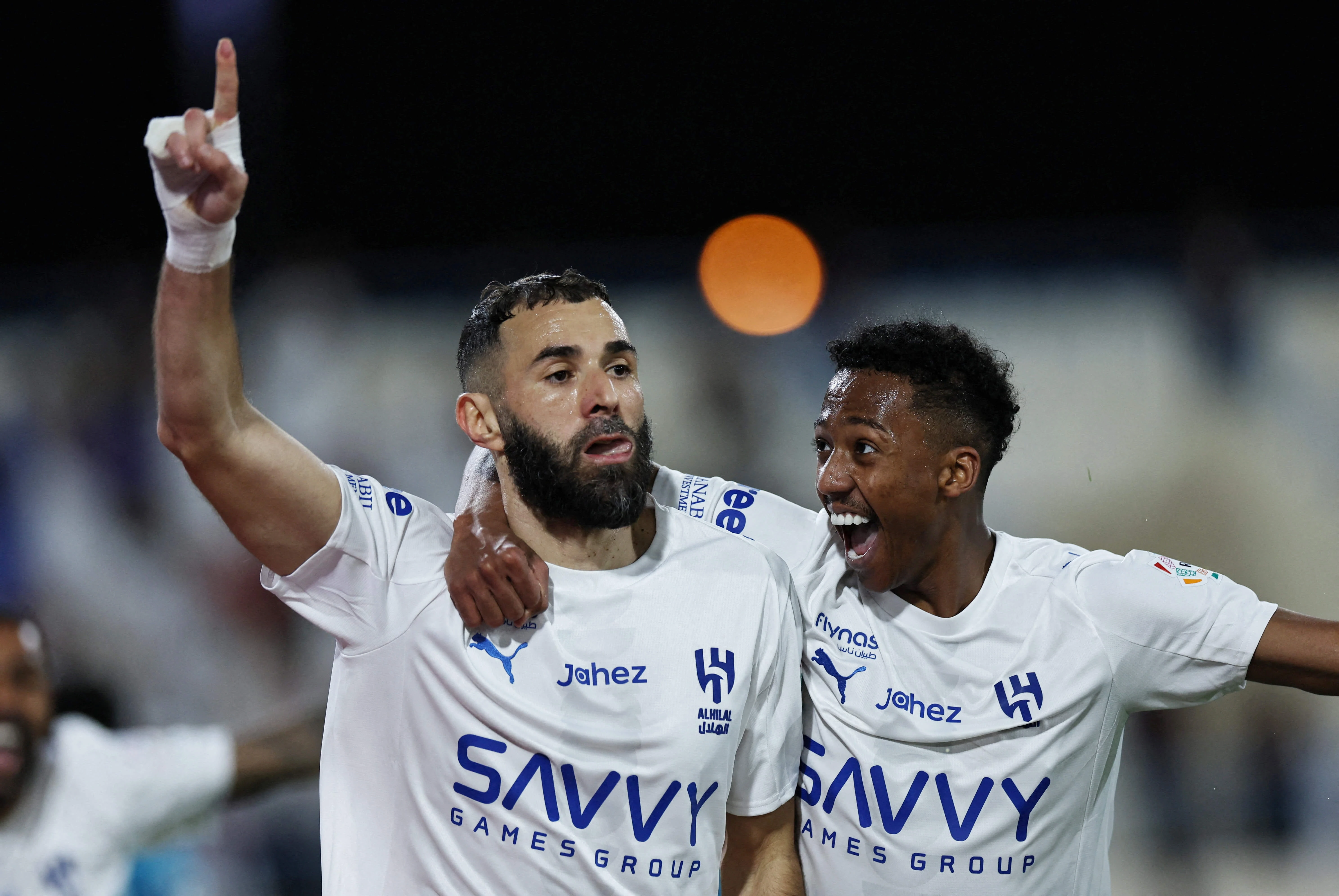
Benzema's Al Hilal move exposes the fault lines at Al Ittihad

There is a particular kind of departure in football that tells you more about the club being left than the player doing the leaving. Karim Benzema's deadline-day move from Al Ittihad to Al Hilal falls squarely into this category - a transfer that, on the surface, looks like a straightforward piece of business but underneath reveals fault lines that run considerably deeper.


The 38-year-old French striker, a 2022 Ballon d'Or winner who arrived in Jeddah as the centrepiece of Al Ittihad's ambitious project in the summer of 2023, completed his switch to the league leaders on Monday evening. Al Hilal confirmed the signing with characteristic understatement: "Al Hilal signed French star Karim Benzema on a free transfer to represent the football team for one and a half years." Simple enough. Except nothing about this transfer is simple.


The circumstances surrounding Benzema's exit tell a story of contract negotiations gone badly wrong, institutional dysfunction, and a player who, at the tail end of a glittering career, decided he would not be treated as anything less than what he believes himself to be. According to multiple reports, Al Ittihad's renewal offer to their captain included no base salary whatsoever, with his earnings tied entirely to image rights revenue. Sources close to the player described the proposal as "ridiculous" - and frankly, it's difficult to argue otherwise.


This is not a man accustomed to being disrespected. Benzema spent 14 years at Real Madrid, won five Champions League titles, scored in three separate finals, and departed the Bernabéu as the club's second-highest scorer of all time. When he joined Al Ittihad, it was supposed to be the crowning chapter of the Saudi Pro League's emergence as a serious destination for elite talent. He responded by leading them to a historic league and cup double in the 2024-25 season, the first of its kind in the club's history. In 83 appearances, he contributed 54 goals and 17 assists.


The reward, apparently, was a contract extension that would have seen him playing "almost for free." Small wonder, then, that Benzema requested to be left out of the squad for Al Ittihad's most recent fixtures, trained away from the first team, and made abundantly clear that his time in Jeddah was over.


For Al Ittihad, the question now becomes: how did the defending champions end up here? Sixth in the table, twelve points behind Al Hilal, and watching their talisman walk across to a direct rival. The answer lies in a season that has lurched from one minor crisis to another.

The problems extend beyond Benzema. Sergio Conceição, brought in to build on last season's success, has struggled to replicate the form that made Al Ittihad so formidable. The squad, for all its star power—N'Golo Kanté, Fabinho, Moussa Diaby, Steven Bergwijn—has looked disjointed at times. Seven wins, two draws, and three losses represents passable form in isolation, but placed against the context of title defence, it looks considerably less impressive.


There are whispers that the relationship between certain players and the coaching staff has been strained. Benzema himself reportedly played a role in the departure of previous manager Nuno Espírito Santo. The club's director of football, Michael Emenalo, was the one who presented the contentious contract offer. Whether Emenalo was acting on his own initiative or reflecting broader institutional thinking remains unclear, but the outcome speaks for itself: the most decorated player in the squad is now wearing Al Hilal blue.


And then there is the Cristiano Ronaldo situation, which has added an entirely different dimension to an already complicated picture.

Reports from Portugal suggest Ronaldo was sufficiently angered by Benzema's transfer to Al Hilal that he refused to play in Al Nassr's match against Al Riyadh on Monday. The club has offered no official explanation for his absence, and Ronaldo himself has remained silent. But the Portuguese outlet A Bola reported that the 40-year-old believes the Public Investment Fund, which owns Al Nassr alongside Al Hilal, Al Ittihad, and Al Ahli, has distributed its resources unevenly.


The accusation, essentially, is that Al Nassr has been left behind while their rivals strengthened. Al Hilal, in addition to Benzema, secured the signing of Kader Méïté from Rennes for approximately £45 million. Al Nassr, by contrast, added Iraqi prospect Hayder Abdulkareem. Manager Jorge Jesus acknowledged the disparity openly: "The financial situation at Al Nassr is not good and doesn't allow it. I hope that one or two, maybe three players can join us.”


Whether Ronaldo's reported frustration is justified is a matter of perspective. Al Nassr's squad already includes João Félix, Sadio Mané, and Kingsley Coman - hardly a collection of journeymen. Jhon Durán, signed for $75 million last January, remains on loan at Fenerbahçe, which raises questions about planning rather than investment. But the optics of watching your title rivals sign a Ballon d'Or winner on deadline day while you add a promising teenager are, admittedly, not ideal.


The irony, of course, is that Ronaldo and Benzema were teammates at Real Madrid for nine years. They combined for some of the most memorable moments in Champions League history. Their partnership was built on mutual respect and an understanding of each other's strengths. Now they find themselves on opposite sides of a Saudi Pro League title race that has become unexpectedly personal.


For Al Hilal, Benzema represents exactly the kind of upgrade they needed at precisely the right moment. Despite sitting seven points clear at the top before this weekend's fixtures, Jorge Jesus's side had shown signs of vulnerability - three draws in their last three matches before adding the Frenchman to their ranks. The arrival of a proven goalscorer who still, at 38, managed sixteen goals in 21 appearances for Al Ittihad this season, addresses a legitimate concern.


The title race is now tantalisingly poised. Al Hilal lead Al Nassr by a single point with fifteen matches remaining. Al Ahli lurk just behind. Benzema could face his former club when Al Hilal travel to Jeddah on February 19th -a fixture that will require considerable security planning if the videos of Al Ittihad supporters burning his jerseys are any indication of local sentiment.


What does all of this mean for the Saudi Pro League's broader project? On one level, it demonstrates exactly the kind of competitive intensity that the league's architects wanted to create. Players moving between top clubs, title races going down to the wire, genuine drama and narrative throughout the season. This is not a league where outcomes are predetermined or where the biggest names simply collect their wages without caring about results.


But it also exposes some of the growing pains that inevitably accompany rapid expansion. Managing the expectations of global superstars - players who have spent their entire careers being treated as institutional priorities -requires a level of sophistication that not every club has yet developed. Al Ittihad's handling of Benzema's contract situation was, by any measure, clumsy. Ronaldo's apparent displeasure with resource allocation raises questions about how the PIF coordinates strategy across its four clubs.


These are not insurmountable problems. They are the kinds of issues that emerge when ambitious projects move quickly and institutions are still learning how to operate at the highest level. The Saudi Pro League remains an extraordinary destination for elite footballers, and the investment being poured into infrastructure, youth development, and competitive depth will continue to bear fruit.


But the Benzema saga is a reminder that talent alone is not enough. Managing relationships, understanding what motivates exceptional players, and building institutional cultures that retain rather than alienate - these are skills that take time to develop. Al Ittihad had a Ballon d'Or winner as their captain. Now they have a cautionary tale.


Karim Benzema, meanwhile, will prepare for Thursday's match against Al Okhdood in Al Hilal colours. At 38, he has made clear that retirement is not on his immediate agenda. There is talk of a potential France recall for the 2026 World Cup, though that feels optimistic given his international retirement in 2022. What seems certain is that he intends to add to his trophy collection before he stops playing.

Whether that collection grows in Riyadh rather than Jeddah will depend on the next few months. The Saudi Pro League has its most compelling title race in years. It also has its most complicated set of storylines. 


For neutral observers, this is excellent entertainment. For those trying to manage it all, it must feel rather more challenging.

Benzema Al Hilal Gulf Sports Daily

Ronaldo Returns, Ronaldo Scores. Title Race Back On?

A volleyed finish, Sadio Mane cross, right foot, net bulging before the goalkeeper had processed the movement. The stadium in Al Hofuf exhaled. Al Nassr won 2-0. The title race is back on.

Ayman Yahya sealed the result late in the second half, controlling a Kingsley Coman delivery and firing a rocket into the top corner that deserved a better audience than a half empty away ground on a Friday evening. A Mohamed Simakan header was chalked off by VAR for a foul in the buildup, which would have made the scoreline more emphatic, but two goals and a clean sheet were more than sufficient for the purposes of the evening. Al Nassr moved to within a single point of league leaders Al Hilal with 16 rounds remaining.

The boycott itself lasted three matches. Ronaldo missed fixtures against Al Riyadh, Al Ittihad, and Arkadag while the Public Investment Fund addressed a list of grievances that included unpaid player salaries. The salary arrears were settled. Assurances were given regarding reinforcements at the end of the season. Ronaldo, satisfied that his leverage had produced the desired outcome, returned to training and was named in the starting eleven against Al Fateh as though nothing had happened.

The curious thing is that Al Nassr won all three games without him. Joao Felix, Matias Vargas, and the supporting cast stepped up in his absence, suggesting that the squad's dependency on the 41 year old is not quite as absolute as it once was. 

That is both reassuring and awkward. Reassuring because it means the team can function when their talisman is unavailable. Awkward because it raises questions about the nature of the boycott itself. If the team keeps winning without you, the argument that your absence damages the club becomes harder to sustain.

None of that matters now. Ronaldo is back, he is scoring, and Al Nassr's eight match winning run has them breathing directly down Al Hilal's neck. The league leaders, who integrated Karim Benzema from Al Ittihad during the January window and face a congested schedule across both the SPL and the AFC Champions League Elite, will be acutely aware that any slip invites Al Nassr to pounce. 

The upcoming fixture list includes Al Hilal against Al Ittihad on February 19, a match that could reshape the table entirely.

The power dynamics within Al Nassr have undeniably shifted. Ronaldo demonstrated, publicly and without subtlety, that his influence extends beyond the pitch and into the boardroom. Whether that precedent is healthy for the Saudi Pro League's governance model is a question the PIF will need to address eventually. Star players making demands is nothing new in football. Star players making demands, having them met within a fortnight, and returning to score on their first game back is something else entirely.

Seventeen goals in the league this season. Top scorer by a distance. One point off the summit. Whatever you think of the method, the result is difficult to argue with. Ronaldo came, he sulked, he conquered. Business as usual in the SPL.

Cristiano Ronalo Returns Gulf Sports Daily

Ronaldo Ends His Boycott: What He Won, What It Means for the SPL Title Race

It was about leverage. And according to multiple reports, he got exactly what he wanted.

ESPN Brasil confirmed on Sunday that Ronaldo has ended his standoff with the Saudi Public Investment Fund and will return to action when Al Nassr travel to Al Fateh on Saturday. 


The 41 year old sat out victories over Al Riyadh and Al Ittihad, both of which his side won without him, and the timing of his return tells you everything about how these negotiations played out behind closed doors.


Let us rewind to the beginning of this saga. Ronaldo's frustration had been building for weeks. The January transfer window closed on February 2 with Al Nassr having signed really only one player of note: an 18 year old midfielder. They also brought in Abdullah Al Hamdan on a free transfer from Al Hilal, a move that has since sparked its own controversy with both Al Hilal and Al Ittihad filing complaints about the legality of his registration. 


Meanwhile, across town, Al Hilal were welcoming Karim Benzema from Al Ittihad, a blockbuster signing funded by Prince Alwaleed Bin Talal Alsaud's private investment in the club.


For Ronaldo, this was the final straw. The Portuguese star had watched his club's sporting director Simao Coutinho and CEO Jose Semedo, both fellow Portuguese and key allies in his Al Nassr project, get suspended from their positions by the PIF. Transfer plans stalled. Salaries went unpaid. And all the while, Al Hilal kept spending.


So Ronaldo did what Ronaldo does. He made himself impossible to ignore.


The league responded first. Without naming names, the Saudi Pro League issued a statement on Thursday that read like a barely veiled warning shot. "The Saudi Pro League is structured around a simple principle: Every club operates independently under the same rules," the statement read. "No player is bigger than the league." It was the kind of institutional posturing that rarely survives contact with a player who generates more social media engagement than most countries.


By Sunday, the PIF had blinked. 


According to reports from ESPN and A Bola, Ronaldo's three core demands were met. Coutinho and Semedo have been reinstated with full authority over transfers and club operations. Outstanding salaries have been paid. And crucially, the PIF has committed to a more aggressive summer transfer window, with Manchester United's Bruno Fernandes among the names reportedly under consideration.


Now, here is where it gets interesting from a sporting perspective. Al Nassr did not just survive Ronaldo's absence. They seemed to thrive. Sadio Mane scored in both matches, Angelo sealed the win over Al Ittihad with a clinical counter attacking finish, and Jorge Jesus' side collected six points that dragged them to within a single point of Al Hilal at the top of the table. The leaders dropped points of their own, and suddenly this title race looks like it will go right down to the wire.


There is an interesting tactical subplot here too. Without Ronaldo's gravitational pull on the ball and on opponents, Al Nassr played with a different kind of fluidity against Al Ittihad. Mane operated as the focal point and looked liberated, drifting between the lines with a freedom he does not always enjoy when sharing the attacking burden with Ronaldo. Angelo's introduction brought pace on the transition that stretched Al Ittihad in ways they had not prepared for.


None of this means Al Nassr are better without Ronaldo. That would be absurd. 


He has 18 goals and three assists in 22 appearances this season, and his influence on the pitch remains enormous. But it does suggest that this squad has more depth and tactical flexibility than the narrative around the boycott might have implied. Jesus has options now, and a fit, motivated Ronaldo returning to a team in form and sitting one point off the summit is a genuinely exciting proposition.


The broader implications for the Saudi Pro League are significant too. Ronaldo has effectively forced the PIF to acknowledge that competitive balance matters, that you cannot funnel resources into one club and expect the others to smile politely. 


Whether that message sticks beyond this particular crisis remains to be seen. The transfer window is shut, and promises about summer spending are easy to make in February.


But for now, the show goes on. Ronaldo returns. Al Nassr sit second. The title race is alive. And somewhere in Riyadh, a 41 year old man who refuses to accept anything less than the best is lacing up his boots again, presumably with a slight grin on his face.

Cristiano Ronaldo Gulf Sports Daily Saudi Boycott

Sadio Mane steps out of Ronaldo's shadow as Al Nassr discover they can win without their absent star

The television cameras, as they always do, panned to the empty seat. Somewhere in Riyadh, Cristiano Ronaldo was not watching Al Nassr play Al Ittihad. Or perhaps he was. Either way, the absence that has dominated headlines for a week now felt oddly irrelevant by the time the final whistle blew on Friday night.


Al Nassr won 2-0. They won without their captain, their talisman, and the highest-paid footballer in history. They won because Sadio Mane, a player who has spent two years accepting a supporting role he never asked for, decided that someone needed to step forward.


The Senegalese forward's penalty in the 84th minute was not spectacular. It was calm, composed, and utterly decisive. Predrag Rajkovic went the wrong way. The net rippled. Al Nassr, for the second consecutive match without Ronaldo, had found their winning goal through the same man who delivered the only strike against Al Riyadh four days earlier.


Angelo Gabriel's stoppage-time finish, a cool left-footed effort that slipped through the goalkeeper's legs, merely confirmed what the previous 90 minutes had suggested: Al Nassr can function without Cristiano Ronaldo. Whether they should have to is a different question entirely.


The circumstances surrounding Ronaldo's absence have been exhaustively documented. His frustration with the Public Investment Fund's management of the Saudi Pro League's top clubs. His anger at Karim Benzema's deadline-day move from Al Ittihad to Al Hilal. His reported feeling of "betrayal" at what he perceives as preferential treatment for his title rivals. The league's pointed response that "no individual, however significant, determines decisions beyond their own club.”


All of that matters. It matters for the Saudi Pro League's credibility, for Ronaldo's legacy, and for the broader project of establishing the Gulf as a serious footballing destination. But inside Al Awwal Park on Friday night, what mattered most was a different story altogether.


In the seventh minute, Al Nassr supporters raised yellow placards bearing Ronaldo's name and his signature number seven. It was a coordinated tribute, a statement of solidarity with their absent star. The gesture was touching. It was also, in its own way, a distraction from what was happening on the pitch.


Because what was happening on the pitch was Sadio Mane doing what Sadio Mane has always done: working harder than anyone else, finding space where none seemed to exist, and making himself available when his teammates needed an outlet. The 32-year-old has won the Champions League, the Premier League, and the Africa Cup of Nations. He knows what it takes to be the main man. He also knows what it takes to sublimate personal ambition for collective success.


At Liverpool, Mane formed one-third of a front three that terrorised defences across Europe. He was never the sole focus; that role belonged to Mohamed Salah, whose statistics and marketing profile demanded the spotlight. Mane accepted this arrangement with grace, contributing match-winning moments while rarely seeking individual acclaim.


The move to Bayern Munich in 2022 was supposed to change that. It did not. A difficult season in Germany, marked by injuries and a reported altercation with Leroy Sane, ended with Mane seeking an exit after just one year. Saudi Arabia offered a fresh start and, not incidentally, a salary that reflected his achievements rather than his recent struggles.


Error: Invalid Youtube URL.


At Al Nassr, the dynamic was established from the moment he arrived. Ronaldo was the star. Ronaldo was the brand. Ronaldo was the reason global audiences tuned in to watch Saudi Pro League football. Mane's job was to complement, to create, to occupy defenders who might otherwise double-team the Portuguese. He did this work without complaint, even as his own goal contributions remained respectable but unspectacular by his previous standards.


The last week has inverted that hierarchy, at least temporarily. With Ronaldo absent, Mane has become Al Nassr's most important attacking player. The numbers are stark: two matches, two victories, two goals from the Senegalese forward. More importantly, two performances that suggested a team rediscovering its collective identity.

Against Al Ittihad, Al Nassr's attacking trio of Mane, Joao Felix, and Kingsley Coman moved with a fluidity that has sometimes been absent when Ronaldo occupies his preferred central position. The Portuguese, for all his extraordinary goalscoring record, demands the ball in specific areas. Opposing defences know where he wants to receive possession. The patterns become predictable.


Without that fixed point, Al Nassr's forwards interchanged positions more freely. Felix drifted wide, Coman came inside, and Mane operated as both creator and finisher depending on what the moment required. It was not revolutionary football, but it was effective. More effective, arguably, than some of the performances when Ronaldo has been present and the team has been structured around his needs.


This observation is not meant to suggest that Al Nassr are better without Ronaldo. That would be absurd. The man has scored 91 goals in 95 Saudi Pro League appearances. His commercial value alone justifies his salary. When fit and focused, he remains one of the most dangerous finishers in world football, even at 41.


But the last week has demonstrated something important about squad construction and collective resilience. Al Nassr spent heavily in the summer transfer window, bringing in Felix and Coman alongside the re-signing of Ronaldo on an improved contract. Those signings were not made simply to service one player's ego. They were made to build a team capable of competing for the Saudi Pro League title.


That team has now proved it can win without its most famous member. Whether Ronaldo interprets this as a threat or an opportunity may determine how the remainder of the season unfolds. A secure player might see his teammates' success as evidence that the squad is strong enough to challenge Al Hilal. A less secure one might view it as a diminishment of his own importance.


For Mane, the situation is simpler. He has a job to do. On Thursday, Al Nassr face Arkadag in the AFC Champions League. On February 14, they travel to Al Fateh in the league. Ronaldo may or may not be available for those fixtures. If he is not, Mane will continue to do what he has always done: arrive early, work hard, and be ready when the moment comes.


The Saudi Pro League's title race remains tantalisingly close. Al Hilal lead by a single point, with Al Nassr in second and 15 matches remaining. Benzema's hat-trick on his Al Hilal debut suggests that the leaders have no intention of slipping. Al Nassr will need every player performing at their best to mount a serious challenge.


That includes Ronaldo, whose goals and experience could prove decisive in the season's closing weeks. But it also includes Mane, who has reminded everyone over the last seven days that he is not simply a supporting actor in someone else's story. He is a world-class player in his own right, and he has the medals to prove it.


When Ronaldo returns, as he presumably will, the spotlight will follow him. The cameras will track his every movement. The commentators will analyse his body language. The narrative will once again revolve around his presence rather than anyone else's contribution.


Sadio Mane will accept this, just as he accepted it at Liverpool and struggled to accept it at Bayern. He will make his runs, press his defenders, and wait for his opportunities. If they come, he will take them. If they do not, he will create them for others.


That is what great players do. They adapt. They serve the team. And when the team needs them most, they deliver. On Friday night, with the world watching to see how Al Nassr would cope without their absent star, Sadio Mane delivered. The yellow placards bearing Ronaldo's name will be stored away until his return. The result, though, belongs to everyone who actually took the pitch.

Sadio Mane Gulf Sports Daily

Benzema's Al Hilal move exposes the fault lines at Al Ittihad

There is a particular kind of departure in football that tells you more about the club being left than the player doing the leaving. Karim Benzema's deadline-day move from Al Ittihad to Al Hilal falls squarely into this category - a transfer that, on the surface, looks like a straightforward piece of business but underneath reveals fault lines that run considerably deeper.


The 38-year-old French striker, a 2022 Ballon d'Or winner who arrived in Jeddah as the centrepiece of Al Ittihad's ambitious project in the summer of 2023, completed his switch to the league leaders on Monday evening. Al Hilal confirmed the signing with characteristic understatement: "Al Hilal signed French star Karim Benzema on a free transfer to represent the football team for one and a half years." Simple enough. Except nothing about this transfer is simple.


The circumstances surrounding Benzema's exit tell a story of contract negotiations gone badly wrong, institutional dysfunction, and a player who, at the tail end of a glittering career, decided he would not be treated as anything less than what he believes himself to be. According to multiple reports, Al Ittihad's renewal offer to their captain included no base salary whatsoever, with his earnings tied entirely to image rights revenue. Sources close to the player described the proposal as "ridiculous" - and frankly, it's difficult to argue otherwise.


This is not a man accustomed to being disrespected. Benzema spent 14 years at Real Madrid, won five Champions League titles, scored in three separate finals, and departed the Bernabéu as the club's second-highest scorer of all time. When he joined Al Ittihad, it was supposed to be the crowning chapter of the Saudi Pro League's emergence as a serious destination for elite talent. He responded by leading them to a historic league and cup double in the 2024-25 season, the first of its kind in the club's history. In 83 appearances, he contributed 54 goals and 17 assists.


The reward, apparently, was a contract extension that would have seen him playing "almost for free." Small wonder, then, that Benzema requested to be left out of the squad for Al Ittihad's most recent fixtures, trained away from the first team, and made abundantly clear that his time in Jeddah was over.


For Al Ittihad, the question now becomes: how did the defending champions end up here? Sixth in the table, twelve points behind Al Hilal, and watching their talisman walk across to a direct rival. The answer lies in a season that has lurched from one minor crisis to another.

The problems extend beyond Benzema. Sergio Conceição, brought in to build on last season's success, has struggled to replicate the form that made Al Ittihad so formidable. The squad, for all its star power—N'Golo Kanté, Fabinho, Moussa Diaby, Steven Bergwijn—has looked disjointed at times. Seven wins, two draws, and three losses represents passable form in isolation, but placed against the context of title defence, it looks considerably less impressive.


There are whispers that the relationship between certain players and the coaching staff has been strained. Benzema himself reportedly played a role in the departure of previous manager Nuno Espírito Santo. The club's director of football, Michael Emenalo, was the one who presented the contentious contract offer. Whether Emenalo was acting on his own initiative or reflecting broader institutional thinking remains unclear, but the outcome speaks for itself: the most decorated player in the squad is now wearing Al Hilal blue.


And then there is the Cristiano Ronaldo situation, which has added an entirely different dimension to an already complicated picture.

Reports from Portugal suggest Ronaldo was sufficiently angered by Benzema's transfer to Al Hilal that he refused to play in Al Nassr's match against Al Riyadh on Monday. The club has offered no official explanation for his absence, and Ronaldo himself has remained silent. But the Portuguese outlet A Bola reported that the 40-year-old believes the Public Investment Fund, which owns Al Nassr alongside Al Hilal, Al Ittihad, and Al Ahli, has distributed its resources unevenly.


The accusation, essentially, is that Al Nassr has been left behind while their rivals strengthened. Al Hilal, in addition to Benzema, secured the signing of Kader Méïté from Rennes for approximately £45 million. Al Nassr, by contrast, added Iraqi prospect Hayder Abdulkareem. Manager Jorge Jesus acknowledged the disparity openly: "The financial situation at Al Nassr is not good and doesn't allow it. I hope that one or two, maybe three players can join us.”


Whether Ronaldo's reported frustration is justified is a matter of perspective. Al Nassr's squad already includes João Félix, Sadio Mané, and Kingsley Coman - hardly a collection of journeymen. Jhon Durán, signed for $75 million last January, remains on loan at Fenerbahçe, which raises questions about planning rather than investment. But the optics of watching your title rivals sign a Ballon d'Or winner on deadline day while you add a promising teenager are, admittedly, not ideal.


The irony, of course, is that Ronaldo and Benzema were teammates at Real Madrid for nine years. They combined for some of the most memorable moments in Champions League history. Their partnership was built on mutual respect and an understanding of each other's strengths. Now they find themselves on opposite sides of a Saudi Pro League title race that has become unexpectedly personal.


For Al Hilal, Benzema represents exactly the kind of upgrade they needed at precisely the right moment. Despite sitting seven points clear at the top before this weekend's fixtures, Jorge Jesus's side had shown signs of vulnerability - three draws in their last three matches before adding the Frenchman to their ranks. The arrival of a proven goalscorer who still, at 38, managed sixteen goals in 21 appearances for Al Ittihad this season, addresses a legitimate concern.


The title race is now tantalisingly poised. Al Hilal lead Al Nassr by a single point with fifteen matches remaining. Al Ahli lurk just behind. Benzema could face his former club when Al Hilal travel to Jeddah on February 19th -a fixture that will require considerable security planning if the videos of Al Ittihad supporters burning his jerseys are any indication of local sentiment.


What does all of this mean for the Saudi Pro League's broader project? On one level, it demonstrates exactly the kind of competitive intensity that the league's architects wanted to create. Players moving between top clubs, title races going down to the wire, genuine drama and narrative throughout the season. This is not a league where outcomes are predetermined or where the biggest names simply collect their wages without caring about results.


But it also exposes some of the growing pains that inevitably accompany rapid expansion. Managing the expectations of global superstars - players who have spent their entire careers being treated as institutional priorities -requires a level of sophistication that not every club has yet developed. Al Ittihad's handling of Benzema's contract situation was, by any measure, clumsy. Ronaldo's apparent displeasure with resource allocation raises questions about how the PIF coordinates strategy across its four clubs.


These are not insurmountable problems. They are the kinds of issues that emerge when ambitious projects move quickly and institutions are still learning how to operate at the highest level. The Saudi Pro League remains an extraordinary destination for elite footballers, and the investment being poured into infrastructure, youth development, and competitive depth will continue to bear fruit.


But the Benzema saga is a reminder that talent alone is not enough. Managing relationships, understanding what motivates exceptional players, and building institutional cultures that retain rather than alienate - these are skills that take time to develop. Al Ittihad had a Ballon d'Or winner as their captain. Now they have a cautionary tale.


Karim Benzema, meanwhile, will prepare for Thursday's match against Al Okhdood in Al Hilal colours. At 38, he has made clear that retirement is not on his immediate agenda. There is talk of a potential France recall for the 2026 World Cup, though that feels optimistic given his international retirement in 2022. What seems certain is that he intends to add to his trophy collection before he stops playing.

Whether that collection grows in Riyadh rather than Jeddah will depend on the next few months. The Saudi Pro League has its most compelling title race in years. It also has its most complicated set of storylines. 


For neutral observers, this is excellent entertainment. For those trying to manage it all, it must feel rather more challenging.

Benzema Al Hilal Gulf Sports Daily

Ronaldo Confirms Al Nassr Stay

The context behind the quote matters. This isn’t a player simply running down the clock on a lucrative deal. It’s a senior figure in global football choosing to embed himself further into a club project that is rapidly becoming a strategic pillar of the Saudi Pro League’s (SPL) long-term play.

Ronaldo’s current contract runs through June 2025, but discussions had emerged about potential extensions into 2026 or beyond. These weren’t just tabloid stories. Internally, Al Nassr has been reshaping its competitive framework around his presence, both on the pitch and in the boardroom. Reports indicate that the Saudi Public Investment Fund (PIF), which owns a stake in Al Nassr, has provided assurances around squad strengthening and has offered Ronaldo a seat at the table in shaping transfer decisions this summer.

That changes the dynamic. Ronaldo isn’t just a player under contract— could he become a stakeholder in the club’s next phase? 

Offers Came. He Said No.

Following Al Nassr’s failure to qualify for the expanded FIFA Club World Cup, speculation mounted that Ronaldo could temporarily join another side just for the tournament. Even FIFA President Gianni Infantino hinted at the possibility. But Ronaldo dismissed the idea outright, confirming he had received offers but had no interest in entertaining them. “I’ve pretty much made up my mind not to go,” he said.


Cristiano Ronaldo Stays At Al Nassr

Ronaldo scores the opener against Al Fateh in the final round of the SPL.


That decision, while understated, is strategically significant. Rather than chase short-term exposure on a global stage, Ronaldo is choosing consistency, focus, and influence inside a project he believes in. It’s a calculated choice—and one that sends a broader message about the direction of the SPL and his role within it.

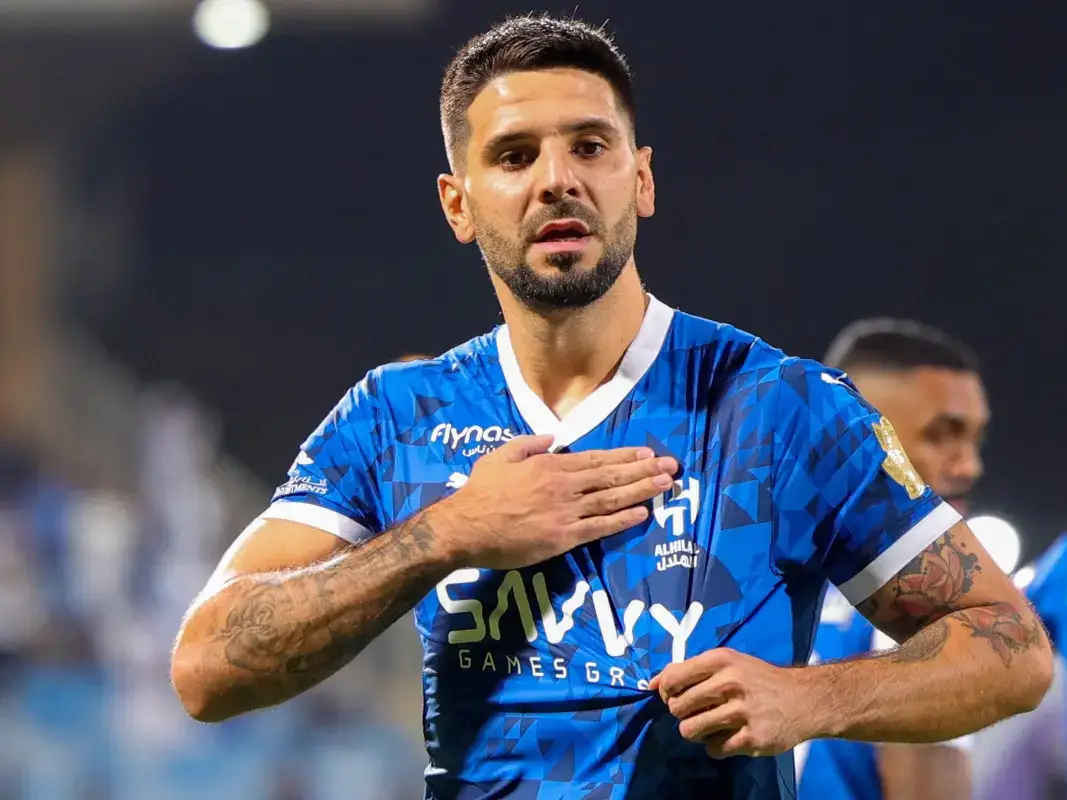
This isn’t a legacy move. In the 2024/25 season, Ronaldo scored 35 goals in all competitions, with 25 coming in the Saudi Pro League. That output ranks him second in the league, behind only Al Hilal’s Aleksandar Mitrović, who notched 27 league goals in a dominant season for the league champions.

However, it’s not just about raw numbers. Ronaldo contributed five assists and created 54 chances across the campaign, showing a more rounded attacking profile than in earlier stages of his career. His expected goals (xG) per 90 remained among the highest in the league at 0.72, and his conversion rate was within top-tier standards.

Importantly, he did this while operating in a team that finished third—one that struggled in key matches and lacked the midfield control often required to support an elite forward. When adjusted for team chance creation, Ronaldo’s efficiency remains elite.


The takeaway? At 40, Ronaldo is not lagging behind the league’s best—he remains one of them.

Ronaldo’s value to Al Nassr—and the SPL more broadly—goes beyond goals. The club’s global following has exploded, moving from just over 5 million to more than 57 million followers across social platforms since his arrival. Sponsorship revenue has grown in parallel. Merchandising, digital rights, and media engagement all show significant uplift.

It’s a tangible application of what’s become known as the “Ronaldo Effect.” And that effect is being institutionalized.

SPL’s centralized Player Acquisition Centre of Excellence (PACE), led by ex-Chelsea technical director Michael Emenalo, is shaping the league’s recruitment strategy. PACE is mapping squad needs across all 18 top-tier clubs, but Ronaldo’s voice within Al Nassr is distinct. His involvement is seen not as token, but technical. He reportedly has influence over incoming players, particularly in identifying those who bring not just talent but professionalism, work ethic, and brand alignment.

In this way, Ronaldo functions almost as a dual asset: part lead striker, part brand architect.

Ronaldo’s continued presence is arguably the league’s most effective talent acquisition strategy. For prospective players in Europe, his endorsement carries weight. If he’s not just staying but investing his reputation into the project, the perceived risk of a move to the SPL drops significantly.

Already, the league has been linked with a host of targets: Ederson (Man City), Gabriel Magalhães (Arsenal), Darwin Núñez (Liverpool), and Kaoru Mitoma (Brighton), among others. These are not end-of-cycle players—they’re entering their prime. The pitch isn’t just financial; it’s structural, competitive, and narrative-driven.

Ronaldo’s decision to stay sharpens that pitch.

At a macro level, this all aligns with Saudi Arabia’s Vision 2030. Sport is a key pillar of the national diversification strategy, and football is the flagship. The Kingdom is investing in stadium infrastructure, youth development, and media platforms to support this long-term ambition. Over $1 billion was spent in the 2023 summer transfer window alone.

Critically, the SPL is now pivoting towards sustainability. There’s a clear shift to target younger international talent (under 21) alongside superstars. Regulatory changes—like lowering squad registration ages and limiting over-21 signings—reflect this. Ronaldo’s professionalism sets a cultural standard that supports this transition.


He’s not just extending a contract. He’s helping set the tone for a league moving from novelty to legitimacy.

Cristiano Ronaldo’s decision to stay at Al Nassr is not a headline—it’s a strategic signal. It reflects continuity, ambition, and belief in the project. For Al Nassr, it’s confirmation that their most high-profile player remains fully aligned with the club’s trajectory. For the Saudi Pro League, it’s validation that the league is capable of retaining—and still demanding peak performance from—one of the most scrutinized athletes in the history of the game.

More critically, it recalibrates expectations. This isn’t about retirement. It’s about relevance. And in that context, Ronaldo is still setting the pace.

Gulf Sports Daily Cristiano Ronaldo Stays At Al Nassr

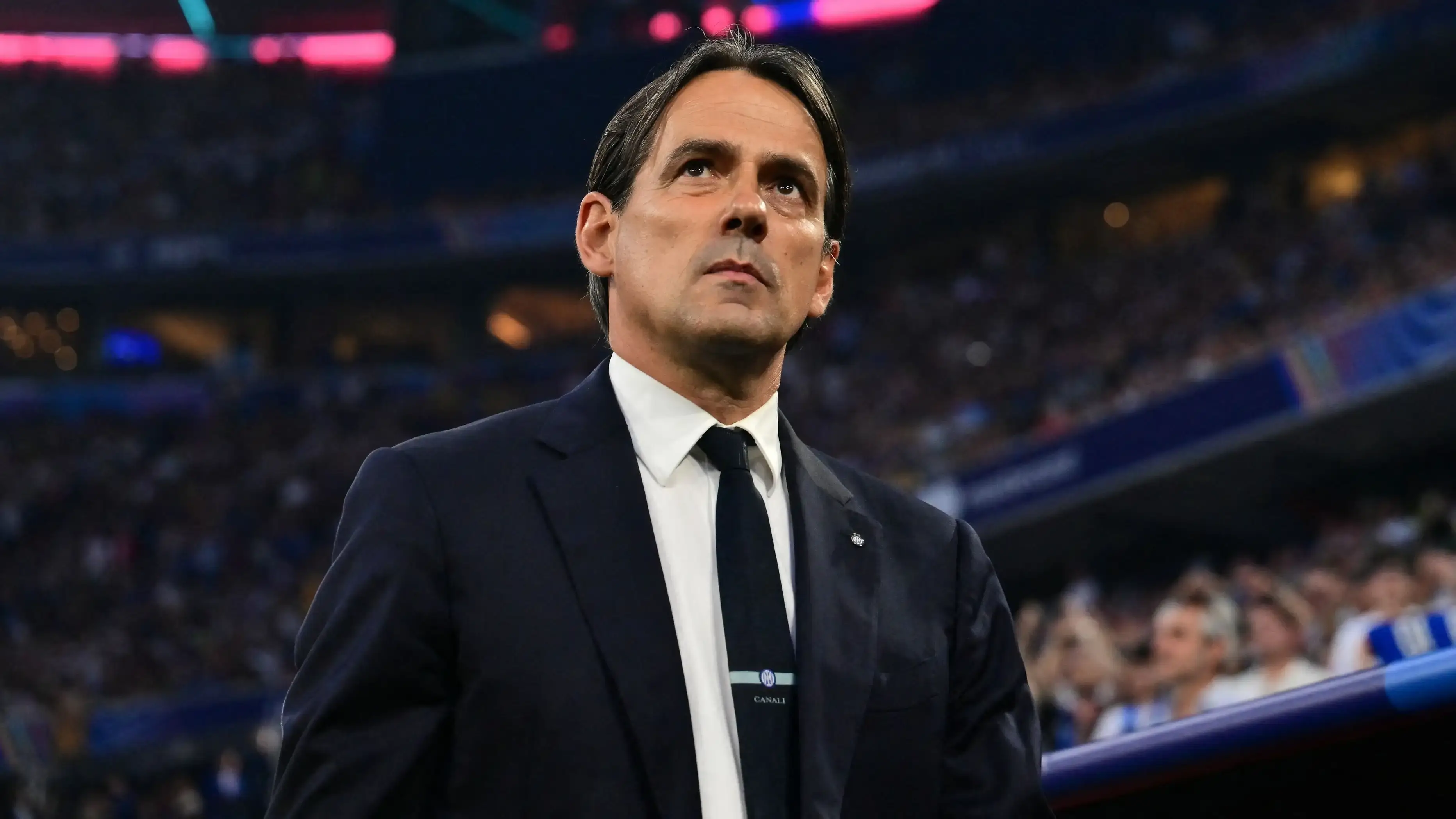
Inzaghi Swaps San Siro Dreams for Al Hilal

Let's be honest, the writing was perhaps on the wall, etched in the tear-stained aftermath of that rather humbling Champions League final thumping by PSG. Reports filtering out of Italy suggested a manager running on empty, the relentless pressure cooker of a top Serie A job finally taking its toll. One Goal.com piece even quoted sources saying Inzaghi admitted he "no longer had the energy to continue leading the team." Fair enough, four years at the helm of a club like Inter, with its insatiable desire for success, is a lifetime in modern football. Six trophies, including that coveted second star, and two Champions League finals isn't a shabby return by any stretch.

But then there's the other, rather large, elephant in the room – or perhaps a camel, given the destination. We're talking a reported two-year deal with Al Hilal, potentially worth a staggering €26 million to €30 million per season, plus a hefty signing bonus that Football Italia has pegged between €4m and €5m. Now, I'm not one to tell a man how to earn his crust, but that's the kind of money that makes even the most romantically inclined football purist sit up and take notice. Can you really blame him? A fresh challenge, a different culture, and a bank balance that'll look considerably healthier.Inzaghi's move to Al Hilal presents a significant challenge. He takes the helm of a club with substantial resources and high expectations from a passionate fan base. Al Hilal, determined to improve after a trophyless season, aims to leverage Inzaghi's tactical acumen and success in cup competitions. The upcoming Club World Cup adds immediate pressure, with a high-profile opening match against Real Madrid. Inzaghi's ability to manage a talented squad and deliver under the spotlight will be crucial in this new chapter.

For Al Hilal, this is a statement. They've bagged a manager with recent Serie A-winning experience and a knack for cup competitions. They clearly weren't happy with how their own season panned out (finishing second and trophyless, according to The National) and are throwing serious resources at rectifying that, especially with the Club World Cup on the horizon – and a tasty opening fixture against Real Madrid, no less. 

Inzaghi's tactical nous and man-management, which brought success to Inter despite often working with evolving squads, will be what the Saudi giants are banking on to elevate them further.

Back in Milan, there will be a sense of an era ending, perhaps tinged with a bit of "what if" regarding those European finals. Inter now have the unenviable task of finding a successor who can build on Inzaghi's foundations, likely without the same financial muscle as some of their European rivals, and under the watchful eye of new majority shareholders Oaktree. Names like Roberto De Zerbi and even Cesc Fabregas are already being bandied about.

It's another big name, another proven European talent, heading to the Saudi Pro League. Whether this is a short-term project for Inzaghi to recharge and then return to Europe, or the start of a new chapter in a rapidly changing football landscape, remains to be seen. One thing's for sure: Simone Inzaghi's tenure at Inter will be remembered for bringing them back to the summit of Italy, even if the European dream remained just out of reach. Now, a new, sandy, and incredibly well-compensated challenge awaits.

Gulf Sports Daily Al Hilal Simone Inzaghi

Dubai Steps Up When It Counts To Seal Semi Final Spot

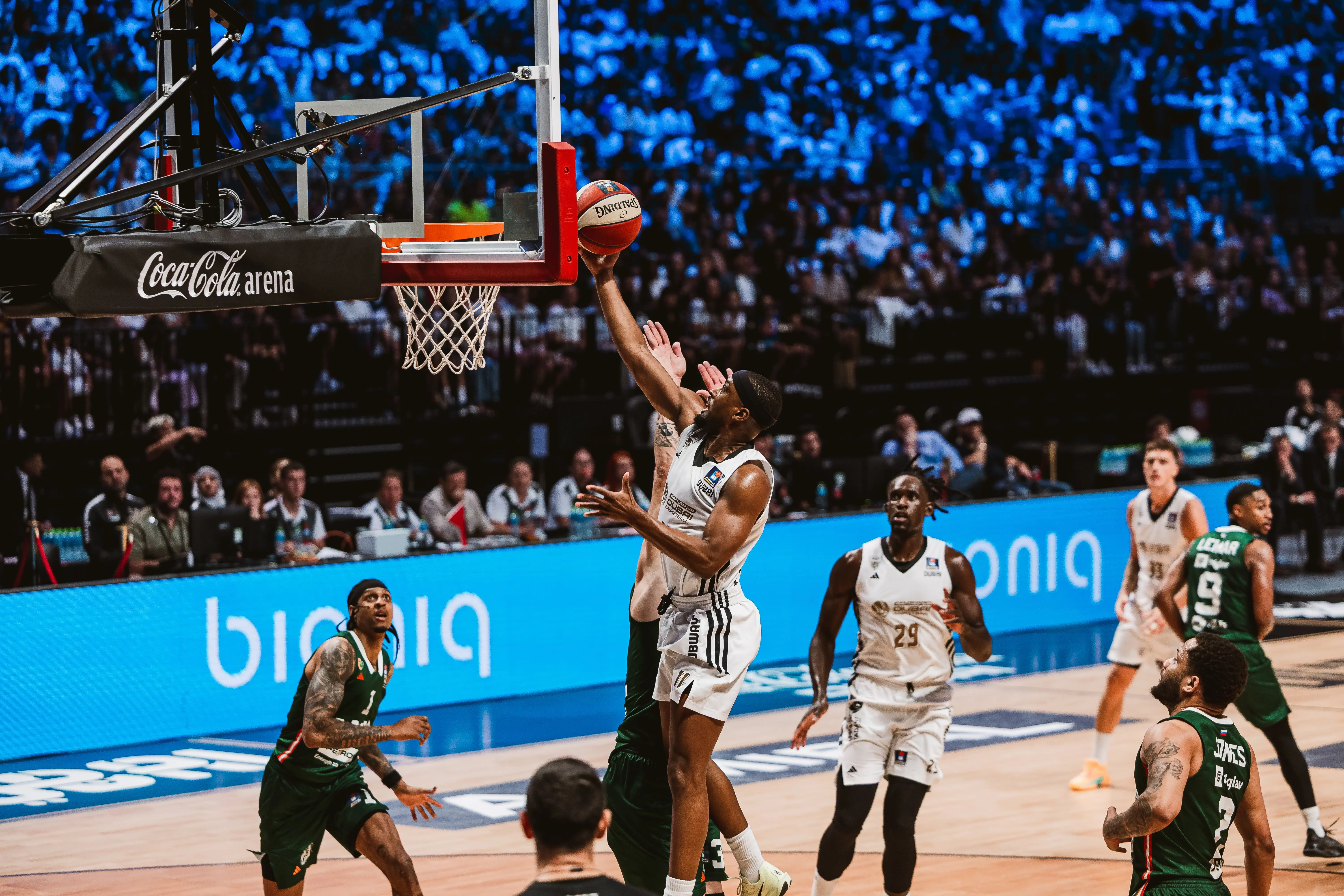
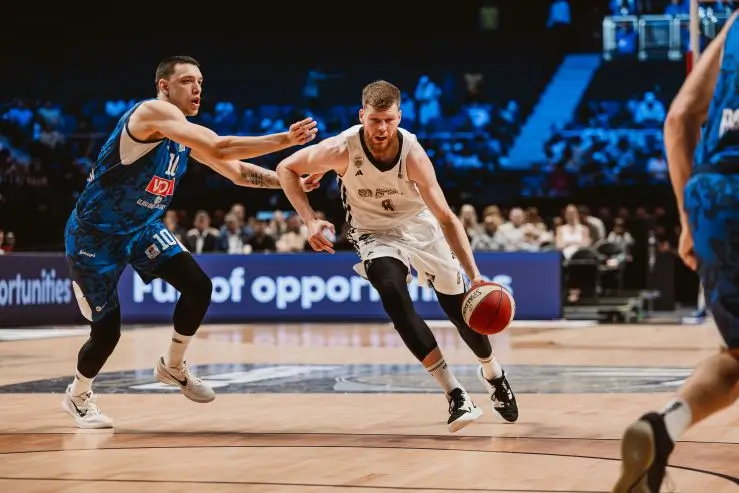
From the moment the ball tipped off, Dubai looked like a team on a mission. They didn't just start fast; they took control and never really let go. Backed by a roaring home crowd, they made an early statement, finishing the first quarter with an eight-point lead. And guess what? They never looked back.

The real turning point came early in the second quarter. With some seriously disciplined defense and slick ball movement, Dubai stretched their lead to a comfortable 11 points. Olimpija tried to fight back, but they just couldn't close the gap. Dubai's consistency was on full display, shooting an impressive 48.2% from the field, while Olimpija struggled at 40%. They made every possession count, finding the weak spots in the Slovenian defense and converting under pressure. It was a clinic in how to close out a series.

Leading the charge was none other than point guard Nate Mason. The guy put on a masterclass, proving once again why he's the team's go-to scorer. Mason kept his cool, delivering a clinical performance with 18 points, four rebounds, and two assists. He was rightfully named Man of the Match for his efforts. But this wasn't a one-man show. The entire team showed up, playing with a level of consistency and composure that screamed "playoff ready."

After the game, Head Coach Jurica Golemac was quick to praise his squad's mental game. "Credit to Cedevita Olimpija for a great series. We knew this was going to be our toughest quarter-final matchup, but we didn't shy away from the challenge. We came out to prove we were the better team — and we did just that." He also made sure to give a massive shout-out to the fans, calling them the "sixth player" on the court. That passionate home crowd really made a difference, giving the team that extra push when they needed it.

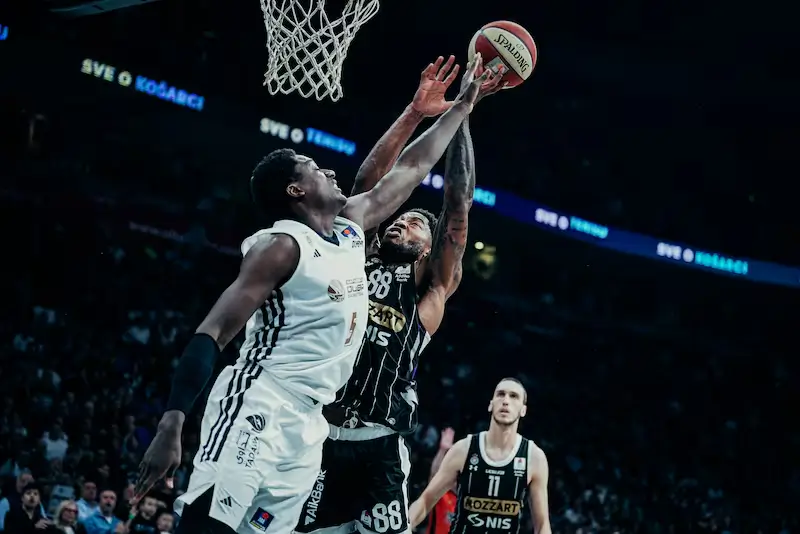
With the Quarter-Finals now in the rearview mirror, Dubai Basketball is already looking ahead. Their next challenge is a best-of-three Semi-Final showdown against Serbian basketball giants Partizan Mozzart Bet. Game 1 tips off in Belgrade on May 26, and then the series returns to the electric Coca-Cola Arena for Game 2 on May 29. If a Game 3 is needed, it'll be right back here in Dubai.

This victory isn't just about moving on; it's about building something special. Dubai Basketball's debut season has been nothing short of remarkable, and this playoff win is a huge step. As they head into the Semi-Finals, the city's unwavering support will be key. It's time for Dubai to keep writing its story, proving that with grit and a whole lo

May 21, 2025

2 min read

Dubai Steps Up When It Counts To Seal Semi Final Spot

From the moment the ball tipped off, Dubai looked like a team on a mission. They didn't just start fast; they took control and never really let go. Backed by a roaring home crowd, they made an early statement, finishing the first quarter with an eight-point lead. And guess what? They never looked back.

The real turning point came early in the second quarter. With some seriously disciplined defense and slick ball movement, Dubai stretched their lead to a comfortable 11 points. Olimpija tried to fight back, but they just couldn't close the gap. Dubai's consistency was on full display, shooting an impressive 48.2% from the field, while Olimpija struggled at 40%. They made every possession count, finding the weak spots in the Slovenian defense and converting under pressure. It was a clinic in how to close out a series.

Leading the charge was none other than point guard Nate Mason. The guy put on a masterclass, proving once again why he's the team's go-to scorer. Mason kept his cool, delivering a clinical performance with 18 points, four rebounds, and two assists. He was rightfully named Man of the Match for his efforts. But this wasn't a one-man show. The entire team showed up, playing with a level of consistency and composure that screamed "playoff ready."

After the game, Head Coach Jurica Golemac was quick to praise his squad's mental game. "Credit to Cedevita Olimpija for a great series. We knew this was going to be our toughest quarter-final matchup, but we didn't shy away from the challenge. We came out to prove we were the better team — and we did just that." He also made sure to give a massive shout-out to the fans, calling them the "sixth player" on the court. That passionate home crowd really made a difference, giving the team that extra push when they needed it.

With the Quarter-Finals now in the rearview mirror, Dubai Basketball is already looking ahead. Their next challenge is a best-of-three Semi-Final showdown against Serbian basketball giants Partizan Mozzart Bet. Game 1 tips off in Belgrade on May 26, and then the series returns to the electric Coca-Cola Arena for Game 2 on May 29. If a Game 3 is needed, it'll be right back here in Dubai.

This victory isn't just about moving on; it's about building something special. Dubai Basketball's debut season has been nothing short of remarkable, and this playoff win is a huge step. As they head into the Semi-Finals, the city's unwavering support will be key. It's time for Dubai to keep writing its story, proving that with grit and a whole lo

BC Dubai Takes Game 1 In Thrilling Playoff Opener

For a team in its debut season, this was more than just a result—it was a defining moment. It was the culmination of months of discipline, tactical growth, and a collective desire to prove that Dubai is not just here to compete, but to contend.

The backdrop to this win is remarkable. BC Dubai entered the ABA League as an unknown quantity, but quickly turned heads with a disciplined, high-energy style of play. A third-place finish in the regular season and an extraordinary 13-game win streak positioned them as serious contenders. Ironically, the only blemish on that run? A narrow one-point loss to Cedevita Olimpija back in January—adding an undeniable edge to last night’s encounter.

The energy inside Coca-Cola Arena was electric. This wasn’t just a game; it felt like a movement. Fans showed up early, dressed in team colours and full voice, transforming the venue into a fortress. The diversity and dynamism of Dubai’s sporting community were on full display, matched only by the sense of belief pulsing through the crowd. High-profile figures dotted the arena, underlining the scale and ambition of the moment—not just for the team, but for the city itself.

On the court, it was a battle worthy of the occasion. The first three quarters were an exercise in tension and momentum swings. Cedevita Olimpija, with their playoff pedigree, played a composed and physical game. BC Dubai, however, matched them possession for possession, staying in range and refusing to let the game slip away. The fourth quarter was where it turned. Down by a point heading into the final stretch, BC Dubai locked in. The defense tightened, the offense flowed, and the home crowd lifted every play. A 22–18 final-quarter push sealed a hard-fought win.

This was not a one-man show. The victory was built on cohesion, depth, and smart in-game adjustments. Head coach Jurica Golemac deserves immense credit for guiding his squad through the pressure. His post-game remarks said it best: “It’s going to be 40 minutes of focus. 40 minutes without mistakes. We are ready.” The players echoed that mindset—driven, focused, and united.

Captain Klemen Prepelič was clear about their motivation going in: redemption. They knew who had beaten them last, and they made sure the story didn’t repeat itself.

More than anything, the atmosphere helped carry them across the finish line. Every defensive stop was celebrated like a goal. Every score brought the roof closer to coming off. It was a reminder of what sport can do—galvanize, inspire, and build community.

Make no mistake: this win is about more than just basketball. It’s a reflection of Dubai’s growing stature as a global sporting hub. From the locker room to the leadership, BC Dubai is building something special—and doing it the right way.

The job isn’t done. Game 2 awaits in Slovenia, and the challenge will only intensify. But right now, the city can pause to reflect and celebrate. Last night, history was made. And if this is the beginning, the rest of the league has been put on notice—BC Dubai is here, and they’re here to win.

Want to be part of the next chapter in Dubai basketball history? Grab your tickets here.

BC Dubai Takes Game 1 In Thrilling Playoff Opener

Dubai Basketball Ends Historic Regular Season with Statement Win Over League Leaders Budućnost VOLI

For Dubai, it presented a high-profile opportunity to extend their remarkable run and demonstrate playoff readiness against a team long considered the regional benchmark. 

They did just that—securing a 13th consecutive win and underlining their status as a serious postseason contender.

The clash played out with the strategic balance of a playoff fixture. Dubai edged the opening quarter 26–23 in front of a crowd of 5,369 but found themselves trailing 46–48 at halftime as Budućnost, true to their pedigree, responded with discipline and composure. Coach Andrej Žakelj described the match as “good and competitive”—a sentiment that echoed throughout the evening.

The turning point came in the third quarter. Dubai, led by Head Coach Jurica Golemac, made decisive adjustments, tightening their defensive schemes and holding Budućnost to just 12 points in the frame. That strategic pivot shifted momentum. “We conceded only 27 points in the second half,” Golemac noted post-game. “That speaks to our defensive execution and our mindset heading into the playoffs.”

The fourth quarter was a test of resolve. Neither team relented, with the period ending level at 15–15. As the game hung in the balance, it was Dubai who executed under pressure. A crucial sequence saw Awudu Abass grab a contested rebound and slam home a fast-break dunk to extend the lead to five with just over a minute remaining. Moments later, captain Klemen Prepelič—who finished with 6 rebounds, 5 assists, and poise befitting a leader—sealed the result with two calm free throws.

Davis Bertans led all scorers with 23 points, reaffirming his value as a marquee offseason acquisition. Prepelič’s leadership and composure were pivotal, while Abass’s two-way contributions proved decisive in crunch time. Nate Mason added to the scoring late and offered key insights post-match, underscoring the team’s focus and chemistry.

Budućnost, for their part, delivered a characteristically professional performance. Rasheed Sulaimon and F. Magee each tallied 15 points, and N. Tanasković secured a game-high 7 rebounds. However, the absence of McKinley Wright IV due to injury likely impacted their offensive rhythm.

Dubai’s victory was more than a headline—it was the capstone to a bold, data-driven entry into one of Europe’s most competitive leagues. In their first ABA League season, Dubai Basketball finished with a 25–5 record, matching the output of traditional powerhouses and securing third place by a single game.

From day one, Dubai positioned themselves not just to participate, but to lead. Their early-season win over Crvena Zvezda set the tone; their closing run confirmed it. Over 30 regular-season games, the team established a league-best offensive profile, averaging nearly 88 points per game. Their consistency, culture, and crowd support have quickly turned the Coca-Cola Arena into one of the most formidable venues in the competition.

Attention now shifts to the ABA League Playoffs, set to commence in mid-May. Dubai, seeded third, will face sixth-placed Cedevita Olimpija in the quarterfinals. Budućnost, as the top seed, begins their postseason campaign against Mega Superbet.

In the post-game press briefings, Coach Golemac and guard Nate Mason spoke with clarity about the road ahead. “This was like a final,” Golemac said. “We needed this level of intensity to sharpen our edge.” Mason added, “We knew it would be a battle—and we wanted to end the regular season the right way.”

That mindset—the ability to treat each game as preparation for something larger—is what separates contenders from participants. Dubai has made its intent clear. Their debut season has been historic. But more importantly, it has laid a foundation for what comes next.

The playoffs begin now—and Dubai is ready.

Dubai Basketball Ends Historic Regular Season with Statement Win Over League Leaders Budućnost VOLI

UAE’s Investment Could Fast-Track the NBA’s Long-Awaited European Expansion

The driving force behind this potential acceleration? The same powerful financial entities reshaping global sports landscapes, particularly Saudi Arabia, Qatar, and the UAE. These funds have already significantly disrupted European football, Formula 1, golf, and tennis.

The NBA, perhaps more than any other North American league, has systematically built an international presence. Commissioner Adam Silver has long espoused the importance of global growth, explicitly targeting Europe as a strategic priority. The presence of European superstars—Giannis Antetokounmpo, Luka Dončić, Nikola Jokić—now core to the league’s marketing and competitive fabric, underscores Europe’s readiness for deeper involvement.

Yet, practical barriers have remained daunting. Travel logistics, time zones, and competitive balance all pose legitimate challenges. Previous NBA commissioners, including David Stern, often spoke optimistically of eventual European expansion, but invariably framed it as a long-term, perhaps generational, objective.

Middle Eastern investment fundamentally alters this narrative by introducing unprecedented financial resources capable of overcoming these logistical hurdles. The UAE as an example, could finance advanced infrastructure, dedicated transatlantic travel solutions, and training facilities strategically placed across key European markets. Moreover, the scale of investment can address critical aspects of competitive balance and operational sustainability through long-term investments in team infrastructure and player development programs.

This scenario isn’t merely theoretical—recent actions in the sports investment landscape suggest real movement toward it.

The NBA’s has actively cultivated international markets, making Europe fertile ground for long-term brand growth. Strategic investments from Middle Eastern funds could create a blueprint for expansion, ensuring not only short-term operational success but sustainable long-term competitive viability.

Yet, such an expansion isn't without potential pitfalls. NBA fans and observers have historically viewed league integrity with particular sensitivity, often skeptical of external financial influences. The European market, while enthusiastic, also presents distinct challenges—from fan engagement dynamics to regulatory and cultural nuances. Balancing commercial objectives with maintaining the league's core identity and competitive integrity is paramount.

The NBA’s recent willingness to experiment—through innovative scheduling, enhanced global broadcasting, and strategic partnerships—suggests openness to unprecedented moves. Additionally, the surge in popularity of the Basketball Champions League and EuroLeague underscores Europe's appetite for elite basketball competition. Integrating these leagues through partnerships, rather than competition, might offer a harmonious solution.

In practical terms, how might this look?

Imagine NBA franchises in cities like Dubai, London, Paris, Madrid, or Berlin. These teams would not merely exist as isolated entities but could form part of a broader network of basketball excellence, tied intimately to the NBA's global infrastructure. Such an arrangement could finally realize the NBA’s ambition of becoming a genuinely global league rather than merely an American league with international appeal.

Ultimately, the UAE's investment could represent the missing piece in the puzzle—substantial financial backing combined with strategic geopolitical motivation. The synergy between Gulf ambitions and NBA objectives appears natural, logical, and potentially transformative.

However, success hinges on careful execution. Expansion must not merely replicate American models abroad but rather innovate and adapt to Europe's unique sporting landscape. Sensitivity to local traditions, combined with robust long-term planning, will determine whether this bold leap forward truly accelerates basketball’s global future or becomes yet another overambitious misstep in sports expansion history.

UAE’s Investment Could Fast-Track the NBA’s Long-Awaited European Expansion

Dubai Steps Up When It Counts To Seal Semi Final Spot

From the moment the ball tipped off, Dubai looked like a team on a mission. They didn't just start fast; they took control and never really let go. Backed by a roaring home crowd, they made an early statement, finishing the first quarter with an eight-point lead. And guess what? They never looked back.

The real turning point came early in the second quarter. With some seriously disciplined defense and slick ball movement, Dubai stretched their lead to a comfortable 11 points. Olimpija tried to fight back, but they just couldn't close the gap. Dubai's consistency was on full display, shooting an impressive 48.2% from the field, while Olimpija struggled at 40%. They made every possession count, finding the weak spots in the Slovenian defense and converting under pressure. It was a clinic in how to close out a series.

Leading the charge was none other than point guard Nate Mason. The guy put on a masterclass, proving once again why he's the team's go-to scorer. Mason kept his cool, delivering a clinical performance with 18 points, four rebounds, and two assists. He was rightfully named Man of the Match for his efforts. But this wasn't a one-man show. The entire team showed up, playing with a level of consistency and composure that screamed "playoff ready."

After the game, Head Coach Jurica Golemac was quick to praise his squad's mental game. "Credit to Cedevita Olimpija for a great series. We knew this was going to be our toughest quarter-final matchup, but we didn't shy away from the challenge. We came out to prove we were the better team — and we did just that." He also made sure to give a massive shout-out to the fans, calling them the "sixth player" on the court. That passionate home crowd really made a difference, giving the team that extra push when they needed it.

With the Quarter-Finals now in the rearview mirror, Dubai Basketball is already looking ahead. Their next challenge is a best-of-three Semi-Final showdown against Serbian basketball giants Partizan Mozzart Bet. Game 1 tips off in Belgrade on May 26, and then the series returns to the electric Coca-Cola Arena for Game 2 on May 29. If a Game 3 is needed, it'll be right back here in Dubai.

This victory isn't just about moving on; it's about building something special. Dubai Basketball's debut season has been nothing short of remarkable, and this playoff win is a huge step. As they head into the Semi-Finals, the city's unwavering support will be key. It's time for Dubai to keep writing its story, proving that with grit and a whole lo

BC Dubai Takes Game 1 In Thrilling Playoff Opener

For a team in its debut season, this was more than just a result—it was a defining moment. It was the culmination of months of discipline, tactical growth, and a collective desire to prove that Dubai is not just here to compete, but to contend.

The backdrop to this win is remarkable. BC Dubai entered the ABA League as an unknown quantity, but quickly turned heads with a disciplined, high-energy style of play. A third-place finish in the regular season and an extraordinary 13-game win streak positioned them as serious contenders. Ironically, the only blemish on that run? A narrow one-point loss to Cedevita Olimpija back in January—adding an undeniable edge to last night’s encounter.

The energy inside Coca-Cola Arena was electric. This wasn’t just a game; it felt like a movement. Fans showed up early, dressed in team colours and full voice, transforming the venue into a fortress. The diversity and dynamism of Dubai’s sporting community were on full display, matched only by the sense of belief pulsing through the crowd. High-profile figures dotted the arena, underlining the scale and ambition of the moment—not just for the team, but for the city itself.

On the court, it was a battle worthy of the occasion. The first three quarters were an exercise in tension and momentum swings. Cedevita Olimpija, with their playoff pedigree, played a composed and physical game. BC Dubai, however, matched them possession for possession, staying in range and refusing to let the game slip away. The fourth quarter was where it turned. Down by a point heading into the final stretch, BC Dubai locked in. The defense tightened, the offense flowed, and the home crowd lifted every play. A 22–18 final-quarter push sealed a hard-fought win.

This was not a one-man show. The victory was built on cohesion, depth, and smart in-game adjustments. Head coach Jurica Golemac deserves immense credit for guiding his squad through the pressure. His post-game remarks said it best: “It’s going to be 40 minutes of focus. 40 minutes without mistakes. We are ready.” The players echoed that mindset—driven, focused, and united.

Captain Klemen Prepelič was clear about their motivation going in: redemption. They knew who had beaten them last, and they made sure the story didn’t repeat itself.

More than anything, the atmosphere helped carry them across the finish line. Every defensive stop was celebrated like a goal. Every score brought the roof closer to coming off. It was a reminder of what sport can do—galvanize, inspire, and build community.

Make no mistake: this win is about more than just basketball. It’s a reflection of Dubai’s growing stature as a global sporting hub. From the locker room to the leadership, BC Dubai is building something special—and doing it the right way.

The job isn’t done. Game 2 awaits in Slovenia, and the challenge will only intensify. But right now, the city can pause to reflect and celebrate. Last night, history was made. And if this is the beginning, the rest of the league has been put on notice—BC Dubai is here, and they’re here to win.

Want to be part of the next chapter in Dubai basketball history? Grab your tickets here.

BC Dubai Takes Game 1 In Thrilling Playoff Opener

Dubai Basketball Ends Historic Regular Season with Statement Win Over League Leaders Budućnost VOLI

For Dubai, it presented a high-profile opportunity to extend their remarkable run and demonstrate playoff readiness against a team long considered the regional benchmark. 

They did just that—securing a 13th consecutive win and underlining their status as a serious postseason contender.

The clash played out with the strategic balance of a playoff fixture. Dubai edged the opening quarter 26–23 in front of a crowd of 5,369 but found themselves trailing 46–48 at halftime as Budućnost, true to their pedigree, responded with discipline and composure. Coach Andrej Žakelj described the match as “good and competitive”—a sentiment that echoed throughout the evening.

The turning point came in the third quarter. Dubai, led by Head Coach Jurica Golemac, made decisive adjustments, tightening their defensive schemes and holding Budućnost to just 12 points in the frame. That strategic pivot shifted momentum. “We conceded only 27 points in the second half,” Golemac noted post-game. “That speaks to our defensive execution and our mindset heading into the playoffs.”

The fourth quarter was a test of resolve. Neither team relented, with the period ending level at 15–15. As the game hung in the balance, it was Dubai who executed under pressure. A crucial sequence saw Awudu Abass grab a contested rebound and slam home a fast-break dunk to extend the lead to five with just over a minute remaining. Moments later, captain Klemen Prepelič—who finished with 6 rebounds, 5 assists, and poise befitting a leader—sealed the result with two calm free throws.

Davis Bertans led all scorers with 23 points, reaffirming his value as a marquee offseason acquisition. Prepelič’s leadership and composure were pivotal, while Abass’s two-way contributions proved decisive in crunch time. Nate Mason added to the scoring late and offered key insights post-match, underscoring the team’s focus and chemistry.

Budućnost, for their part, delivered a characteristically professional performance. Rasheed Sulaimon and F. Magee each tallied 15 points, and N. Tanasković secured a game-high 7 rebounds. However, the absence of McKinley Wright IV due to injury likely impacted their offensive rhythm.

Dubai’s victory was more than a headline—it was the capstone to a bold, data-driven entry into one of Europe’s most competitive leagues. In their first ABA League season, Dubai Basketball finished with a 25–5 record, matching the output of traditional powerhouses and securing third place by a single game.

From day one, Dubai positioned themselves not just to participate, but to lead. Their early-season win over Crvena Zvezda set the tone; their closing run confirmed it. Over 30 regular-season games, the team established a league-best offensive profile, averaging nearly 88 points per game. Their consistency, culture, and crowd support have quickly turned the Coca-Cola Arena into one of the most formidable venues in the competition.

Attention now shifts to the ABA League Playoffs, set to commence in mid-May. Dubai, seeded third, will face sixth-placed Cedevita Olimpija in the quarterfinals. Budućnost, as the top seed, begins their postseason campaign against Mega Superbet.

In the post-game press briefings, Coach Golemac and guard Nate Mason spoke with clarity about the road ahead. “This was like a final,” Golemac said. “We needed this level of intensity to sharpen our edge.” Mason added, “We knew it would be a battle—and we wanted to end the regular season the right way.”

That mindset—the ability to treat each game as preparation for something larger—is what separates contenders from participants. Dubai has made its intent clear. Their debut season has been historic. But more importantly, it has laid a foundation for what comes next.

The playoffs begin now—and Dubai is ready.

Dubai Basketball Ends Historic Regular Season with Statement Win Over League Leaders Budućnost VOLI

UAE’s Investment Could Fast-Track the NBA’s Long-Awaited European Expansion

The driving force behind this potential acceleration? The same powerful financial entities reshaping global sports landscapes, particularly Saudi Arabia, Qatar, and the UAE. These funds have already significantly disrupted European football, Formula 1, golf, and tennis.

The NBA, perhaps more than any other North American league, has systematically built an international presence. Commissioner Adam Silver has long espoused the importance of global growth, explicitly targeting Europe as a strategic priority. The presence of European superstars—Giannis Antetokounmpo, Luka Dončić, Nikola Jokić—now core to the league’s marketing and competitive fabric, underscores Europe’s readiness for deeper involvement.

Yet, practical barriers have remained daunting. Travel logistics, time zones, and competitive balance all pose legitimate challenges. Previous NBA commissioners, including David Stern, often spoke optimistically of eventual European expansion, but invariably framed it as a long-term, perhaps generational, objective.

Middle Eastern investment fundamentally alters this narrative by introducing unprecedented financial resources capable of overcoming these logistical hurdles. The UAE as an example, could finance advanced infrastructure, dedicated transatlantic travel solutions, and training facilities strategically placed across key European markets. Moreover, the scale of investment can address critical aspects of competitive balance and operational sustainability through long-term investments in team infrastructure and player development programs.

This scenario isn’t merely theoretical—recent actions in the sports investment landscape suggest real movement toward it.

The NBA’s has actively cultivated international markets, making Europe fertile ground for long-term brand growth. Strategic investments from Middle Eastern funds could create a blueprint for expansion, ensuring not only short-term operational success but sustainable long-term competitive viability.

Yet, such an expansion isn't without potential pitfalls. NBA fans and observers have historically viewed league integrity with particular sensitivity, often skeptical of external financial influences. The European market, while enthusiastic, also presents distinct challenges—from fan engagement dynamics to regulatory and cultural nuances. Balancing commercial objectives with maintaining the league's core identity and competitive integrity is paramount.

The NBA’s recent willingness to experiment—through innovative scheduling, enhanced global broadcasting, and strategic partnerships—suggests openness to unprecedented moves. Additionally, the surge in popularity of the Basketball Champions League and EuroLeague underscores Europe's appetite for elite basketball competition. Integrating these leagues through partnerships, rather than competition, might offer a harmonious solution.

In practical terms, how might this look?

Imagine NBA franchises in cities like Dubai, London, Paris, Madrid, or Berlin. These teams would not merely exist as isolated entities but could form part of a broader network of basketball excellence, tied intimately to the NBA's global infrastructure. Such an arrangement could finally realize the NBA’s ambition of becoming a genuinely global league rather than merely an American league with international appeal.

Ultimately, the UAE's investment could represent the missing piece in the puzzle—substantial financial backing combined with strategic geopolitical motivation. The synergy between Gulf ambitions and NBA objectives appears natural, logical, and potentially transformative.

However, success hinges on careful execution. Expansion must not merely replicate American models abroad but rather innovate and adapt to Europe's unique sporting landscape. Sensitivity to local traditions, combined with robust long-term planning, will determine whether this bold leap forward truly accelerates basketball’s global future or becomes yet another overambitious misstep in sports expansion history.

UAE’s Investment Could Fast-Track the NBA’s Long-Awaited European Expansion

Stay Ahead of the Game

Stay Ahead of the Game

Stay Ahead of the Game

Be the first to know. Get the latest Gulf sports news, highlights, and breaking stories directly from Gulf Sports Daily. Sign up for our newsletter!
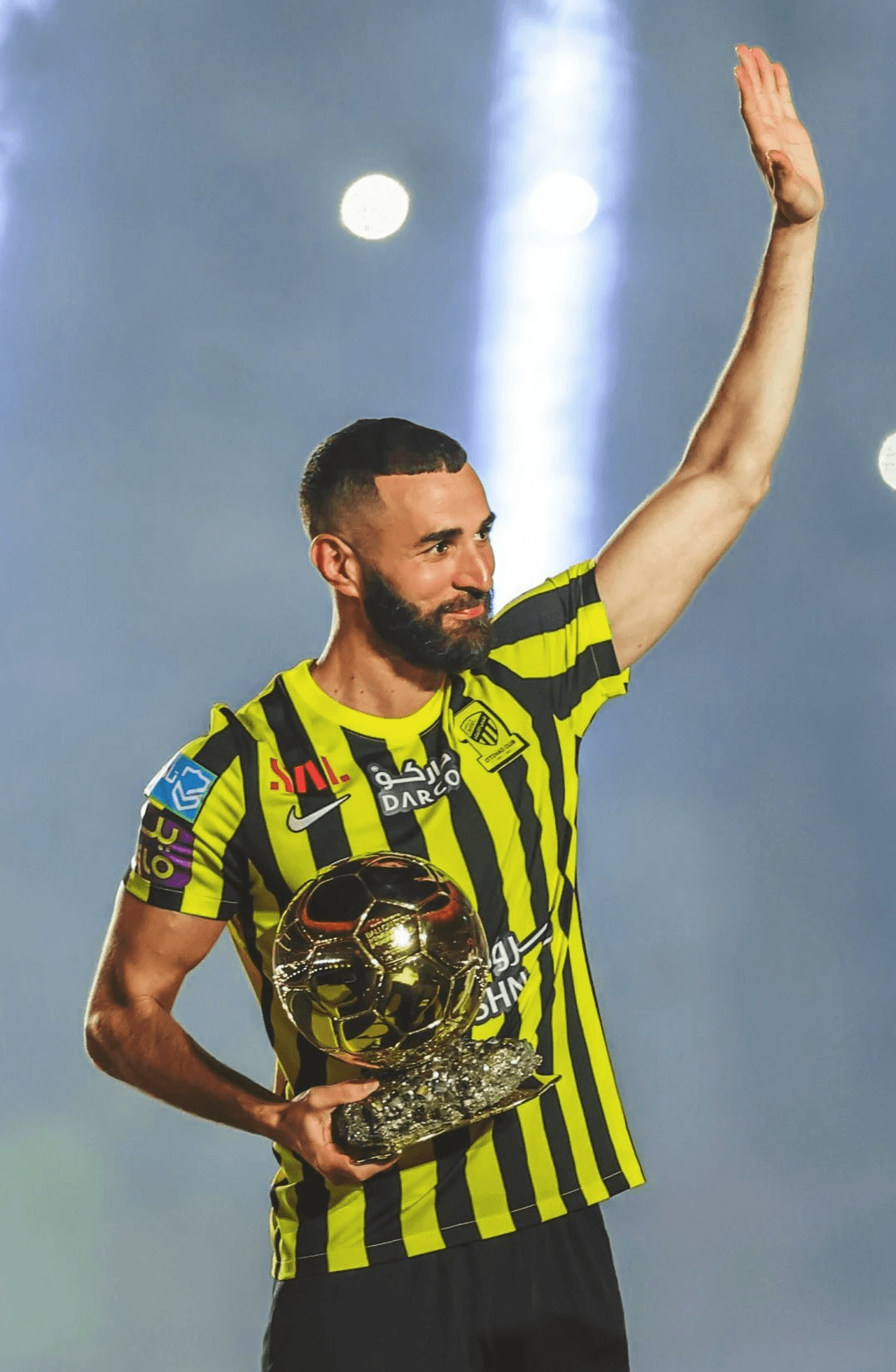
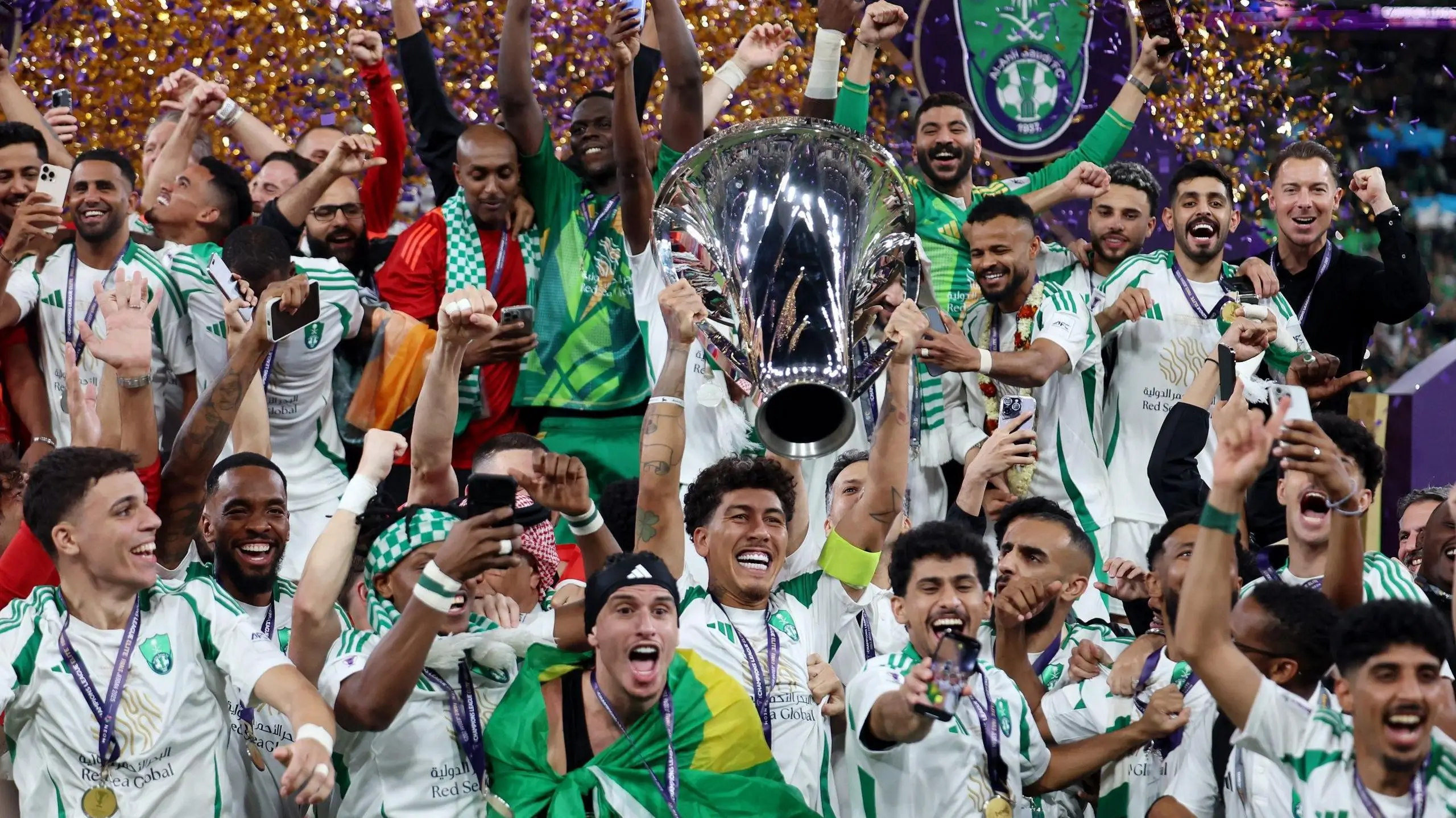
Gulf Sports Daily
Gulf Sports Daily
Gulf Sports Daily

The new power units, running on 100 per cent sustainable fuel with nearly half their output coming from electric motors, produced a distinctive whine on the straights that was audibly alien to anyone who has spent time trackside in Sakhir over the past decade. The ground effect era is over. Active aerodynamics are here. And the Gulf is where the world got its first proper look at what comes next.


Reigning champion Lando Norris topped the timesheets with a 1:34.669, edging Max Verstappen by a tenth and a half, with Charles Leclerc third for Ferrari. But the headline numbers from day one of pre-season testing told only part of the story. Verstappen completed a remarkable 136 laps in the Red Bull, the car powered by a brand new engine built entirely in house with partner Ford. Williams team principal James Vowles admitted his team was seeing Red Bull gain six tenths on the main straight alone. That kind of deficit, this early, gets people's attention.


The expanded grid added to the sense of occasion. Eleven teams took to the track together for the first time, with Cadillac's Sergio Perez and Valtteri Bottas completing a steady debut. Audi arrived with dramatic new sidepods that drew every camera in the paddock. Williams, having missed the entire Barcelona shakedown, finally got their FW48 on track as Carlos Sainz and Alex Albon combined for the highest lap count of any team. Two red flags interrupted proceedings, one for Franco Colapinto's stricken Alpine and another for a brief Nico Hulkenberg stoppage in the Audi, but neither kept the cars off track for long.


There is something fitting about Bahrain hosting this moment. The kingdom has been part of the F1 calendar since 2004, making it the longest standing venue in the Middle East, and its relationship with the sport has deepened steadily in the years since. Aramco's title sponsorship of both pre-season tests is the most visible thread, but the infrastructure investment at Sakhir runs deeper. Six days of official testing across two weeks, all of it under Gulf sunshine and high twenties temperatures, gives teams the controlled conditions they need to make sense of machinery that nobody fully understands yet.


And Bahrain is just the beginning of the region's 2026 footprint. The Gulf Air Bahrain Grand Prix follows on April 10 to 12, with the STC Saudi Arabian Grand Prix the very next weekend in Jeddah from April 17 to 19. Abu Dhabi closes the season in December. Three of 24 rounds in the GCC, plus all the meaningful pre-season running. The Gulf is not simply hosting Formula 1 anymore. It is hosting the parts that matter most: the preparation, the early season form battles that set the narrative, and the championship decider.


Lewis Hamilton, beginning his second year at Ferrari with a temporary race engineer after Riccardo Adami was moved to another role, described the new cars as feeling like GP2 machinery due to the reduced downforce. That is a telling observation from a seven time champion, and one that suggests the learning curve ahead is steep for everyone. The battery management alone, with drivers constantly balancing energy recovery and deployment through something the sport is calling recharge mode, adds a layer of strategic complexity that did not exist 12 months ago.


Two more days of testing remain this week before the teams return for another three day stint from February 18 to 20. Then it is two weeks until the season opener in Melbourne. The pecking order will shift and shuffle repeatedly before then. But the first impressions have been formed, the data is flowing, and the conversations in the Sakhir paddock have that unmistakable start of term energy. Formula 1's new chapter has begun. It began in the Gulf, as these things increasingly do.
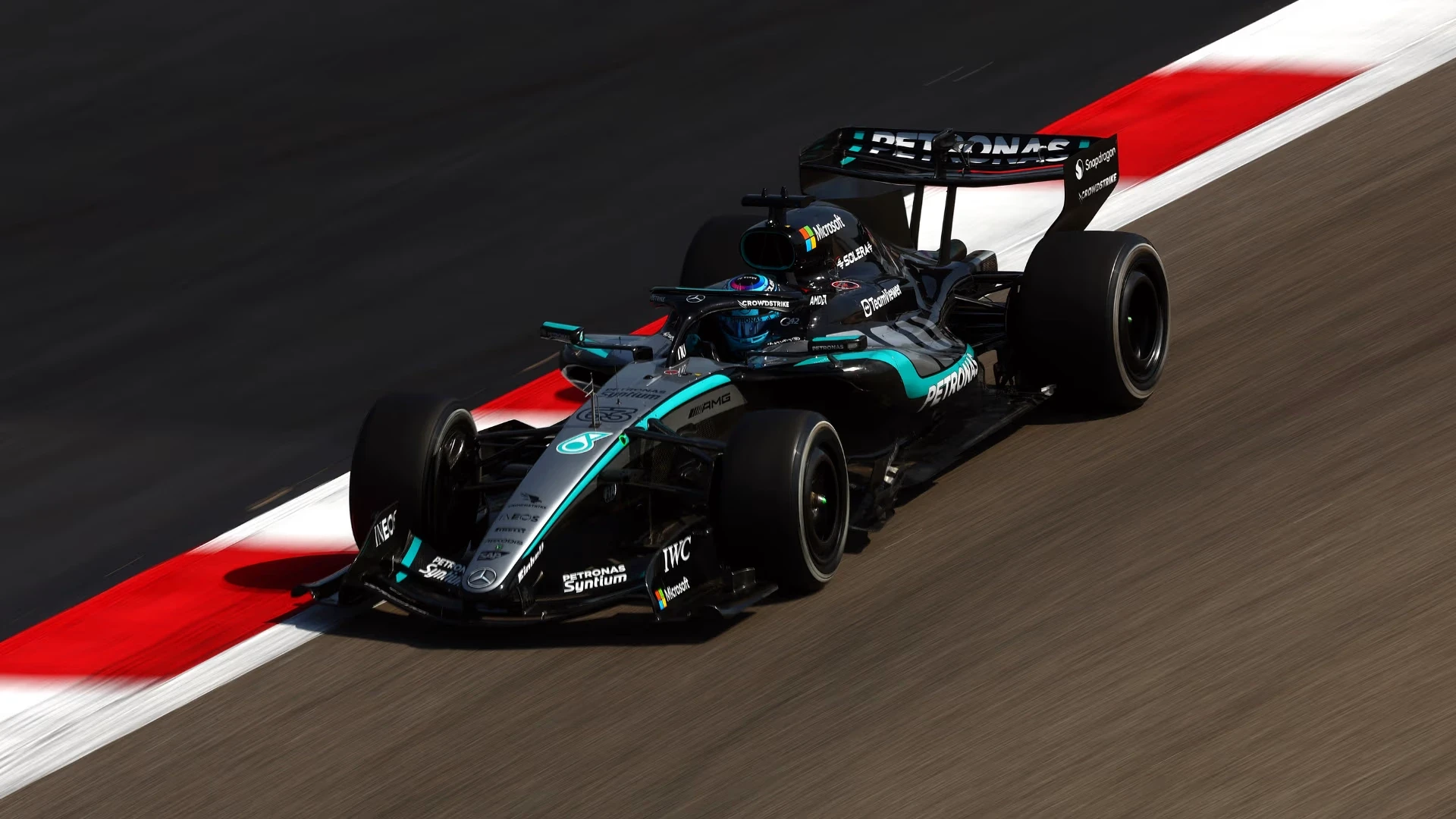
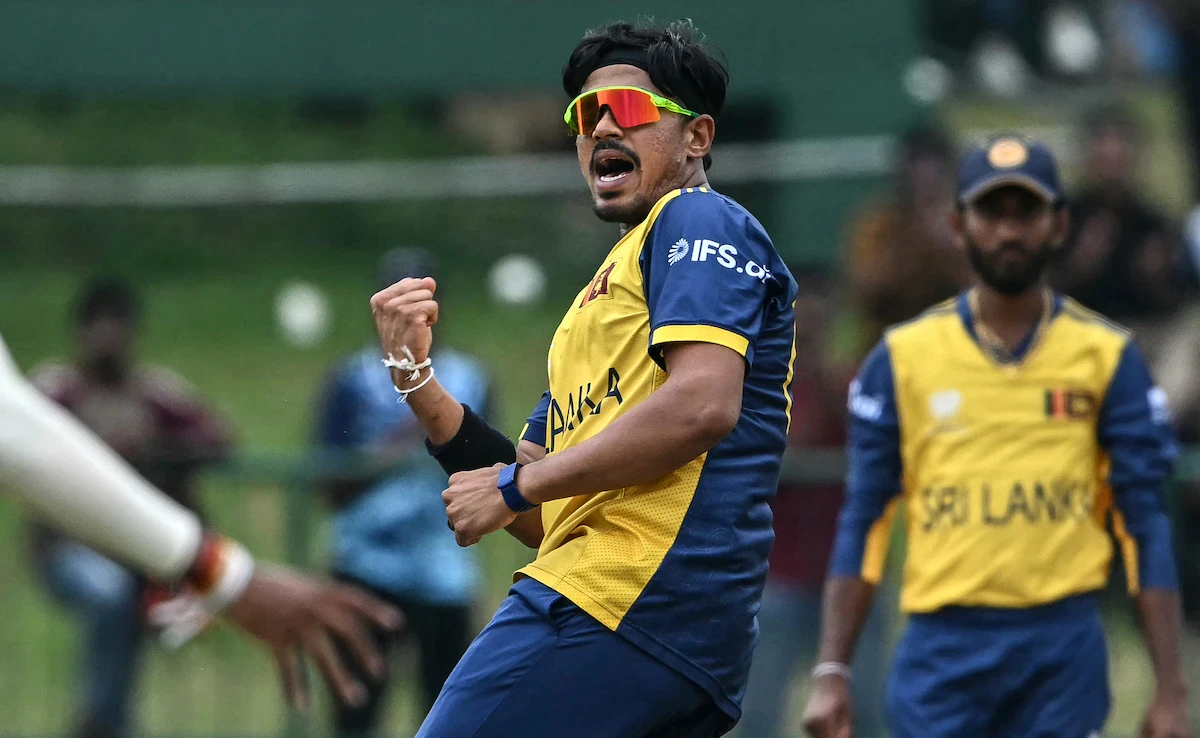
The new power units, running on 100 per cent sustainable fuel with nearly half their output coming from electric motors, produced a distinctive whine on the straights that was audibly alien to anyone who has spent time trackside in Sakhir over the past decade. The ground effect era is over. Active aerodynamics are here. And the Gulf is where the world got its first proper look at what comes next.


Reigning champion Lando Norris topped the timesheets with a 1:34.669, edging Max Verstappen by a tenth and a half, with Charles Leclerc third for Ferrari. But the headline numbers from day one of pre-season testing told only part of the story. Verstappen completed a remarkable 136 laps in the Red Bull, the car powered by a brand new engine built entirely in house with partner Ford. Williams team principal James Vowles admitted his team was seeing Red Bull gain six tenths on the main straight alone. That kind of deficit, this early, gets people's attention.


The expanded grid added to the sense of occasion. Eleven teams took to the track together for the first time, with Cadillac's Sergio Perez and Valtteri Bottas completing a steady debut. Audi arrived with dramatic new sidepods that drew every camera in the paddock. Williams, having missed the entire Barcelona shakedown, finally got their FW48 on track as Carlos Sainz and Alex Albon combined for the highest lap count of any team. Two red flags interrupted proceedings, one for Franco Colapinto's stricken Alpine and another for a brief Nico Hulkenberg stoppage in the Audi, but neither kept the cars off track for long.


There is something fitting about Bahrain hosting this moment. The kingdom has been part of the F1 calendar since 2004, making it the longest standing venue in the Middle East, and its relationship with the sport has deepened steadily in the years since. Aramco's title sponsorship of both pre-season tests is the most visible thread, but the infrastructure investment at Sakhir runs deeper. Six days of official testing across two weeks, all of it under Gulf sunshine and high twenties temperatures, gives teams the controlled conditions they need to make sense of machinery that nobody fully understands yet.


And Bahrain is just the beginning of the region's 2026 footprint. The Gulf Air Bahrain Grand Prix follows on April 10 to 12, with the STC Saudi Arabian Grand Prix the very next weekend in Jeddah from April 17 to 19. Abu Dhabi closes the season in December. Three of 24 rounds in the GCC, plus all the meaningful pre-season running. The Gulf is not simply hosting Formula 1 anymore. It is hosting the parts that matter most: the preparation, the early season form battles that set the narrative, and the championship decider.


Lewis Hamilton, beginning his second year at Ferrari with a temporary race engineer after Riccardo Adami was moved to another role, described the new cars as feeling like GP2 machinery due to the reduced downforce. That is a telling observation from a seven time champion, and one that suggests the learning curve ahead is steep for everyone. The battery management alone, with drivers constantly balancing energy recovery and deployment through something the sport is calling recharge mode, adds a layer of strategic complexity that did not exist 12 months ago.


Two more days of testing remain this week before the teams return for another three day stint from February 18 to 20. Then it is two weeks until the season opener in Melbourne. The pecking order will shift and shuffle repeatedly before then. But the first impressions have been formed, the data is flowing, and the conversations in the Sakhir paddock have that unmistakable start of term energy. Formula 1's new chapter has begun. It began in the Gulf, as these things increasingly do.
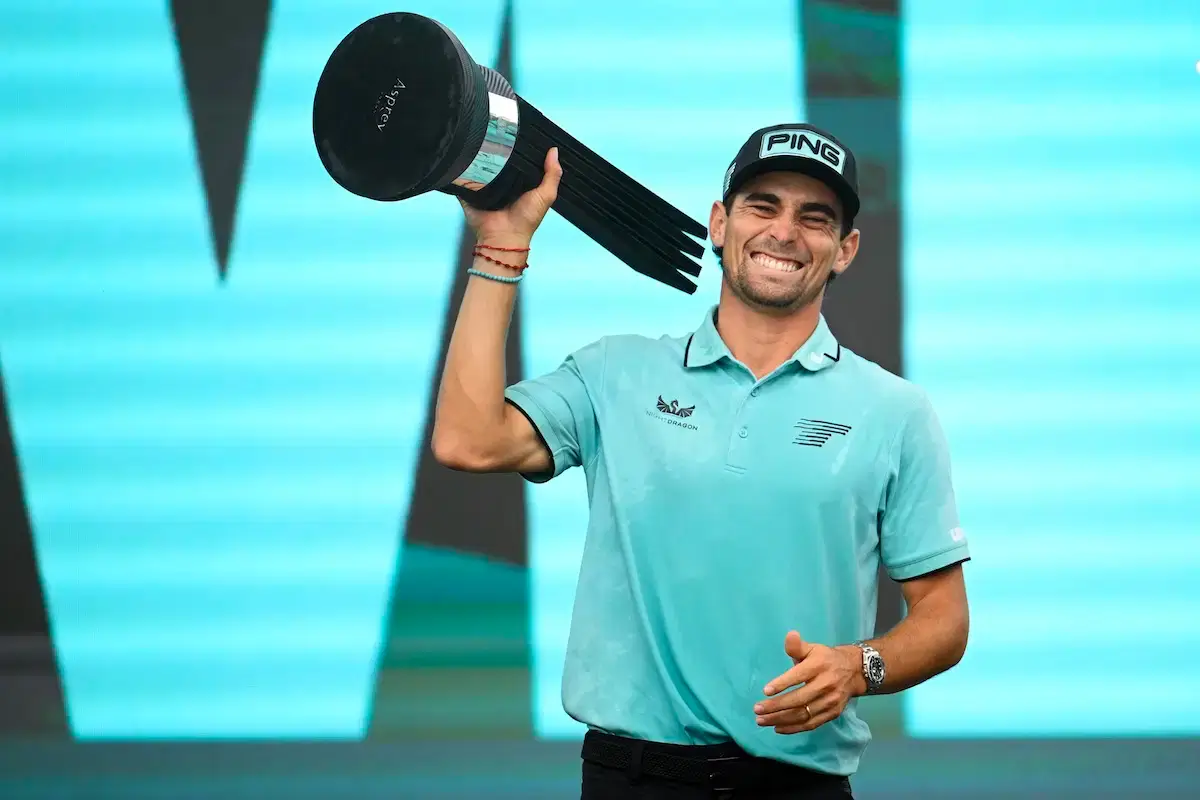
The new power units, running on 100 per cent sustainable fuel with nearly half their output coming from electric motors, produced a distinctive whine on the straights that was audibly alien to anyone who has spent time trackside in Sakhir over the past decade. The ground effect era is over. Active aerodynamics are here. And the Gulf is where the world got its first proper look at what comes next.


Reigning champion Lando Norris topped the timesheets with a 1:34.669, edging Max Verstappen by a tenth and a half, with Charles Leclerc third for Ferrari. But the headline numbers from day one of pre-season testing told only part of the story. Verstappen completed a remarkable 136 laps in the Red Bull, the car powered by a brand new engine built entirely in house with partner Ford. Williams team principal James Vowles admitted his team was seeing Red Bull gain six tenths on the main straight alone. That kind of deficit, this early, gets people's attention.


The expanded grid added to the sense of occasion. Eleven teams took to the track together for the first time, with Cadillac's Sergio Perez and Valtteri Bottas completing a steady debut. Audi arrived with dramatic new sidepods that drew every camera in the paddock. Williams, having missed the entire Barcelona shakedown, finally got their FW48 on track as Carlos Sainz and Alex Albon combined for the highest lap count of any team. Two red flags interrupted proceedings, one for Franco Colapinto's stricken Alpine and another for a brief Nico Hulkenberg stoppage in the Audi, but neither kept the cars off track for long.


There is something fitting about Bahrain hosting this moment. The kingdom has been part of the F1 calendar since 2004, making it the longest standing venue in the Middle East, and its relationship with the sport has deepened steadily in the years since. Aramco's title sponsorship of both pre-season tests is the most visible thread, but the infrastructure investment at Sakhir runs deeper. Six days of official testing across two weeks, all of it under Gulf sunshine and high twenties temperatures, gives teams the controlled conditions they need to make sense of machinery that nobody fully understands yet.


And Bahrain is just the beginning of the region's 2026 footprint. The Gulf Air Bahrain Grand Prix follows on April 10 to 12, with the STC Saudi Arabian Grand Prix the very next weekend in Jeddah from April 17 to 19. Abu Dhabi closes the season in December. Three of 24 rounds in the GCC, plus all the meaningful pre-season running. The Gulf is not simply hosting Formula 1 anymore. It is hosting the parts that matter most: the preparation, the early season form battles that set the narrative, and the championship decider.


Lewis Hamilton, beginning his second year at Ferrari with a temporary race engineer after Riccardo Adami was moved to another role, described the new cars as feeling like GP2 machinery due to the reduced downforce. That is a telling observation from a seven time champion, and one that suggests the learning curve ahead is steep for everyone. The battery management alone, with drivers constantly balancing energy recovery and deployment through something the sport is calling recharge mode, adds a layer of strategic complexity that did not exist 12 months ago.


Two more days of testing remain this week before the teams return for another three day stint from February 18 to 20. Then it is two weeks until the season opener in Melbourne. The pecking order will shift and shuffle repeatedly before then. But the first impressions have been formed, the data is flowing, and the conversations in the Sakhir paddock have that unmistakable start of term energy. Formula 1's new chapter has begun. It began in the Gulf, as these things increasingly do.
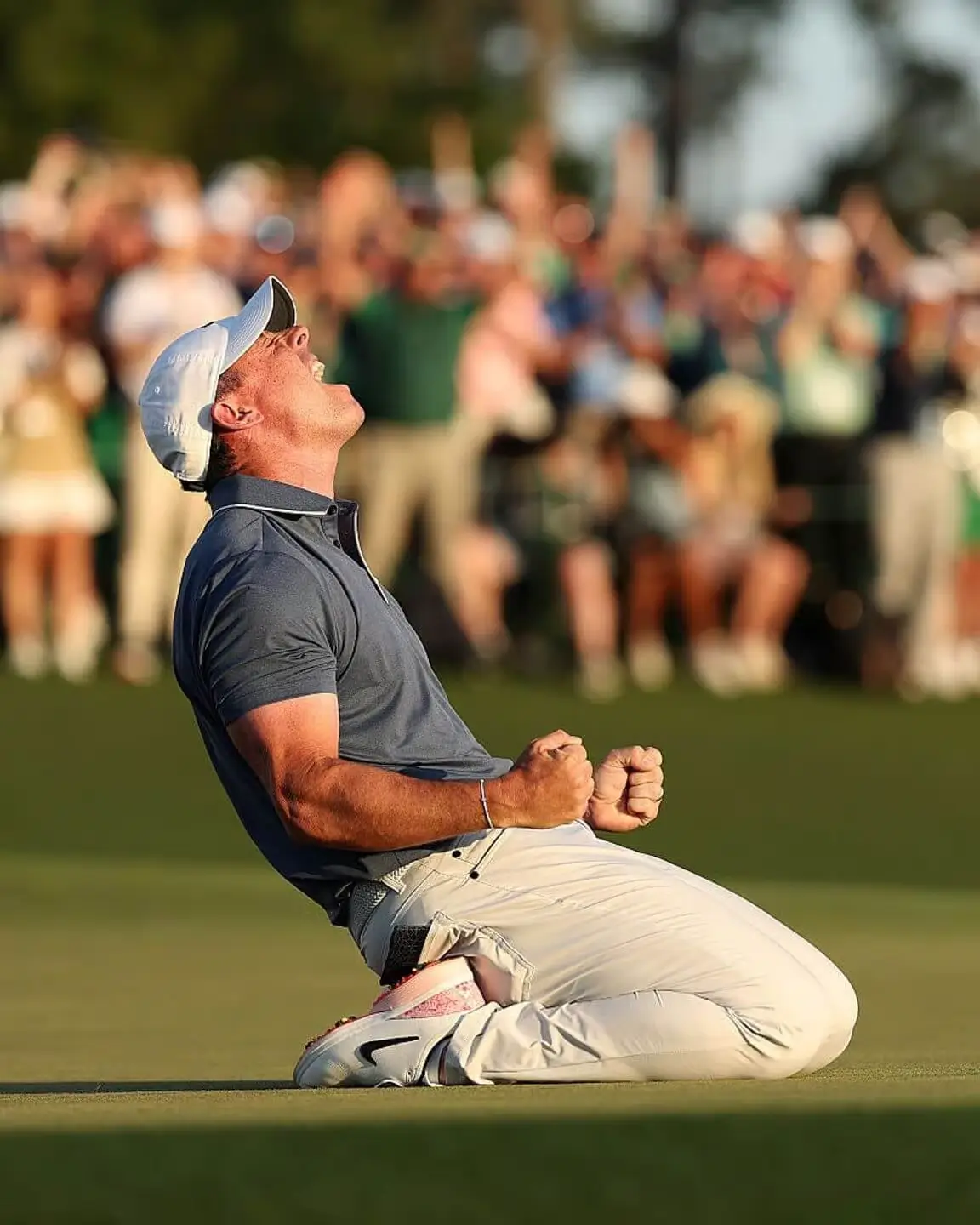
Feb 13, 2026

3 min read

Bahrain F1 Gulf Sports Daily